
IP Crop Network: July 22 report
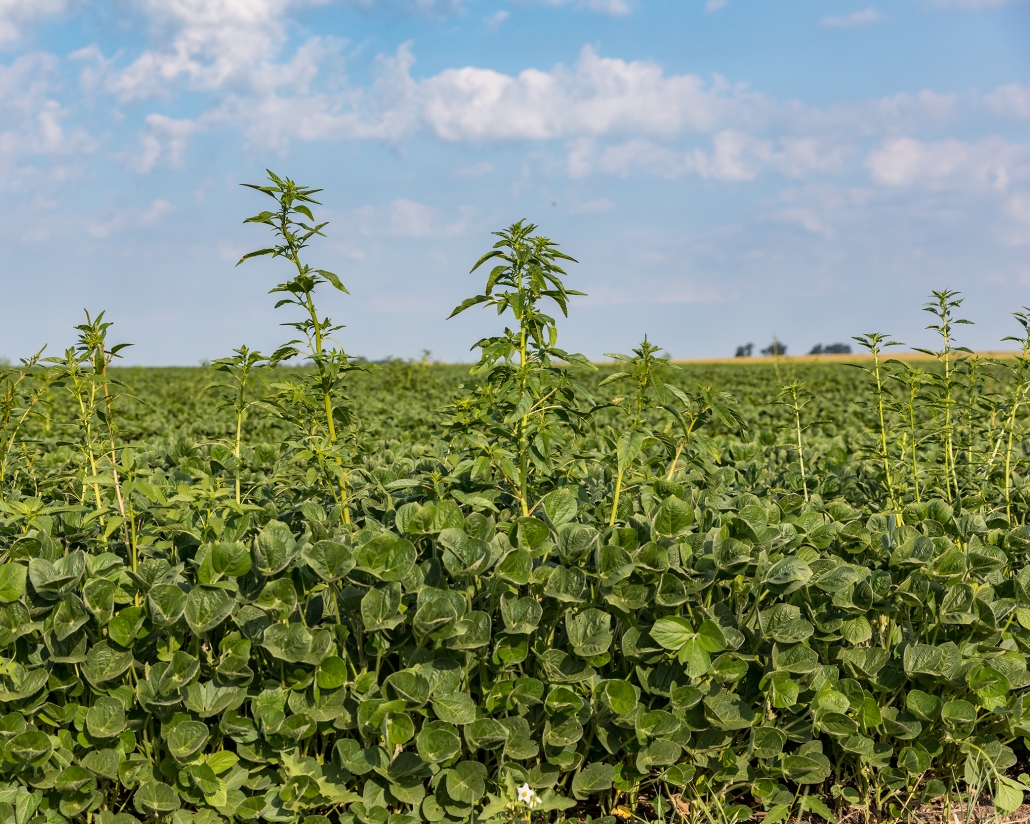
Heat and moisture have been the theme for much of the summer across the Midwest. While it can be miserable for humans, crops (and weeds) appreciate the great growing weather and have been doing well. Early rains are still having an impact, as some crops are behind the five-year average due to extra wet conditions.
Soybean conditions across Wisconsin remain consistent as the crop moves from full bloom (R2) to early pod set (R3). The season is progressing slightly ahead of the historical average, supported by temperatures within a favorable range, sufficient rainfall and adequate soil moisture. According to USDA reports, approximately 74–75% of soybean acres are rated good to excellent, indicating a stable yield outlook. No-till beans had a less than stellar stand establishment but are now growing rapidly and canopies are looking much better. Corn is starting to enter the reproductive phase with tassels and silks appearing on earliest planted acreage across the region. July temperatures have been 1–3°F above normal, which has contributed to an accelerated growth rate with no significant stress reported so far. Forecasts for hot, humid weather (with highs in the 90s °F) and multiple thunderstorms this week may present challenges, particularly in low-lying or compacted areas. These conditions could elevate the risk of fungal diseases such as white mold and Sudden Death Syndrome (SDS) in wet soils. Monitoring will be necessary in the coming days. Insect pressures are absent at this date but scouting and understanding of disease say to be vigilant as the best growing conditions are also the best conditions for foliar disease development. Looking ahead, the next two weeks will be pivotal. Pod development (R3-R4) is one of the most yield-sensitive stages of soybean growth.
In Michigan, the winter wheat harvest is finishing with very good yields. 60% has been harvested, which is ahead of the five-year average. Soybeans are looking much better with more growth and finally some better weed control. With all the moisture this spring and early summer, the residual weed control was not very effective. There are lots of blossoms on the beans, so farmers are hopeful for a good yield as long as there is moisture in August. 53% of soybeans are blossoming across the state, which is slightly below average. Corn is looking quite good with most starting to tassel or shooting flag leaves. Good color to most of it other than where it was too wet earlier. 77% of corn falls within the fair to good condition.
In Minnesota, the week of July 13-20 allowed soybean spraying to finish up and some manual waterhemp pulling in the identity preserved (IP) beans to take place. It’s been a cool, wet year, so there are some weed escapes. IP beans are getting close to closing the rows, but from a growth standpoint, Minnesota is running behind. 60% of soybeans are blooming, which is about 10% below average, and 22% of soybeans are setting pods, which is about 5% below average.
All the fields scouted in North Dakota are blooming and beginning to set pods, a little behind where beans typically are for this time of year. Currently, North Dakota is at 8% pod set, which is 6% behind the 5-year average. Due to the cold, rainy spring, emergence was late and uneven. Now, the fields are starting to even out and look a little healthier, but plants are shorter than normal. Most fields have really good weed control this year, and little insect pressure as of now. Even though these are prime weather conditions to develop white mold, farmers are not seeing any in the field yet, probably due to the fact that the rows haven’t canopied over like they typically do.
SSGA’s IP Crop Network is published twice a month, highlighting growing conditions for identity preserved crops from different regions around the country. The reports include both firsthand accounts and data from the National Agricultural Statistics Service (NASS) weekly Crop Progress reports.


Leave a Reply
Want to join the discussion?Feel free to contribute!