
TOFU AND SOYMILK VARIETY SOYBEANSNATTO VARIETY SOYBEANSMISO VARIETY SOYBEANSEDAMAME VARIETY SOYBEANSNIMAME VARIETY SOYBEANS (BLACK SOYBEANS)SOYBEAN SPROUTS (MOYASHI) SOYBEAN VARIETIESTEMPEH SOYBEAN VARIETIESTEXTURED SOY PROTEIN SOYBEAN VARIETIESSOY FLOUR AND FLAKES
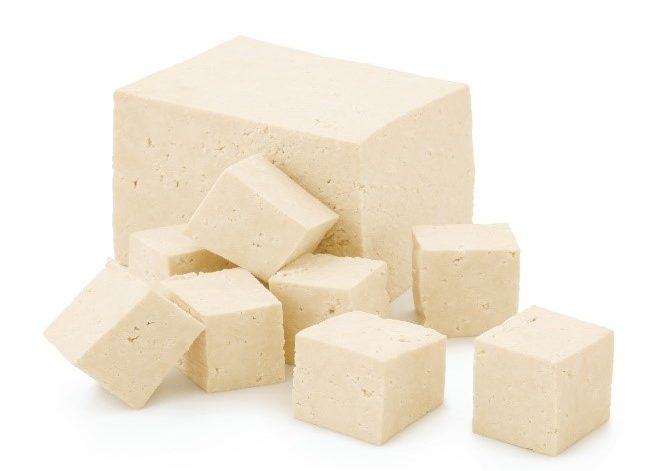 Tofu and soymilk manufacturers prefer soybeans possessing higher protein content, greater protein solubility in water, a larger seed size bearing a white or light yellow seed coat, and a clear hilum, the point of attachment for the soybean when growing inside its pod on the soybean plant.
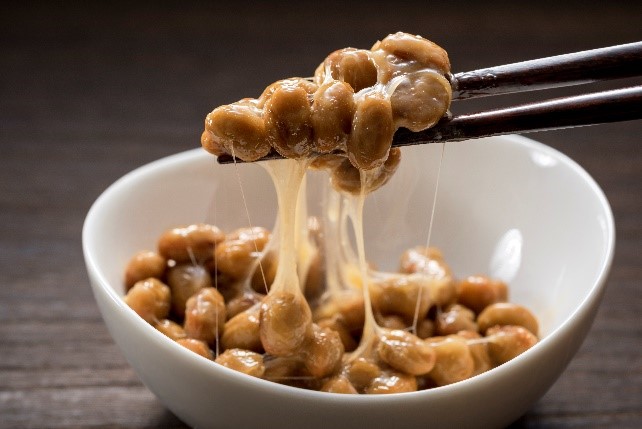 Natto is a gelatinous soy food made by fermenting cooked soybeans (soaked in water overnight before cooking) with the bacteria Bacillus subtilis var. natto.
Soybean varieties preferred by natto manufacturers have thin seed coats for faster water absorption and are small in size (usually <80mg/seed) because the resultant greater surface area per kilogram enables shorter cooking time and better penetration of the bacteria throughout the seeds.
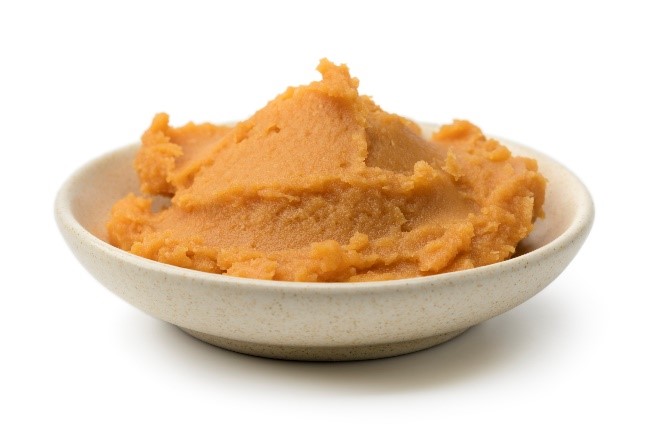 Miso (called jiang in Mandarin, and chiang in Cantonese) is a paste resembling peanut butter in its consistency. It is a soyfood made by fermenting cooked soybeans with the fungal species Aspergillus oryzae and/or Aspergillus sojae. Generally speaking, the darker the color of the soybean variety, the stronger the flavor of the miso. In Japan, miso is usually dissolved in water as a base for various types of soup. In China, jiang is utilized as a base for sauces served with meat, seafood, poultry, or vegetable dishes.
Miso manufacturers prefer soybeans possessing higher protein content, higher water-absorbing and water-holding capacity, higher soluble carbohydrate, and lower oil and calcium contents. The particular manufacturers who make white or light yellow miso prefer soybeans bearing a light yellow seed coat and a clear hilum.
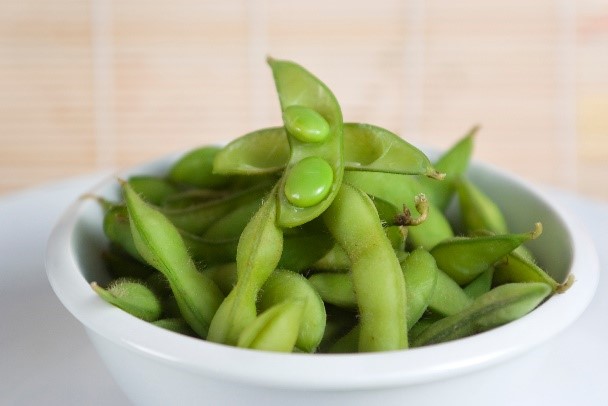 Boiled green soybeans still in the pod are called edamame and are a popular snack or appetizer.
The soybean varieties preferred by edamame manufacturers achieve a significant sugar content and bean size while still green (i.e., prior to ripening).
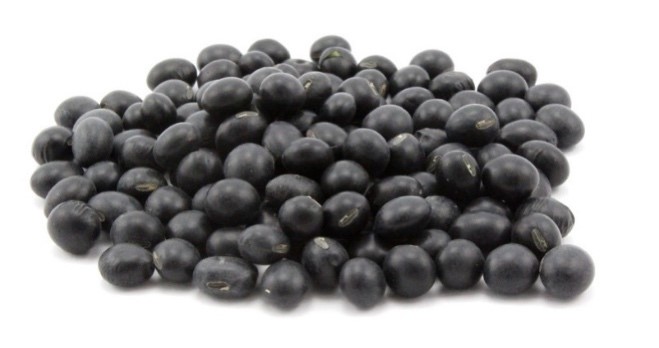 Manufacturers require a totally-black soybean variety. NOTE: These black soybeans have their very own separate harmonized tariff code (HS Code 12019010).
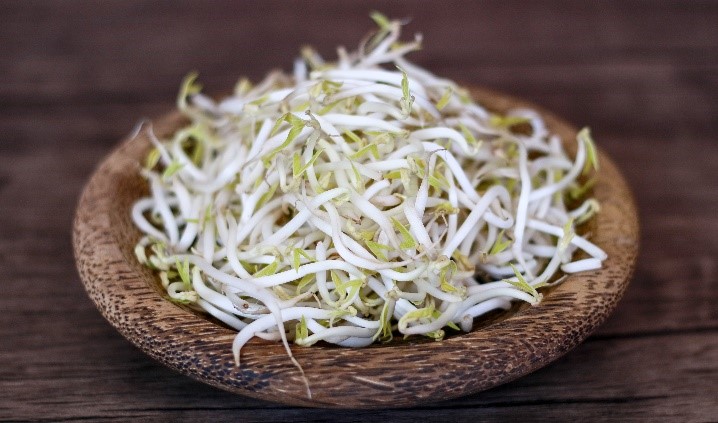 Soybean sprouts are a common ingredient in Japanese cooking where they are usually served cooked, stir fried or as a topping for ramen.
Manufacturers require a variety that sprouts quickly and evenly, while imparting the desired taste.
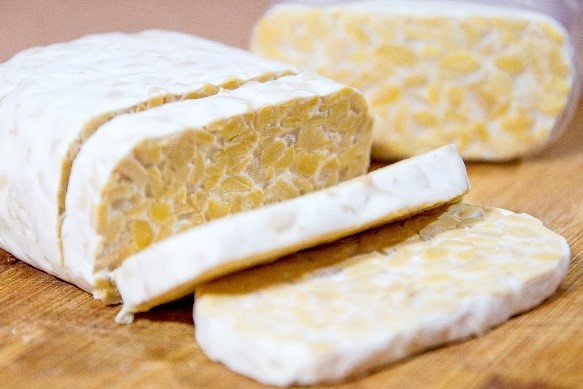 Tempeh is a cake-like soy food made by fermenting de hulled and briefly cooked soybeans (or okara) with the mold Rhizopus. Following that fermentation, the tempeh has a clean, yeasty aroma and is covered and penetrated completely by white mycelium. Following slicing and deep-fat frying, tempeh has a nutty flavor, pleasant aroma, and crunchy texture. It can also be made into a potato chip-like product.
Although commodity (i.e., mixed) soybeans have historically been utilized to manufacture tempeh because it was historically consumed primarily by the poorest of Indonesia’s population, tempeh is now undergoing a renaissance. It is being added to some dishes served in high end restaurants in major cities around the world, and tempeh ‘chips’ are increasingly marketed in western nations. With time, those new markets will identify properties needed to optimize tempeh produced for each of those new markets’ end uses, and tempeh-specific soybean varieties will be created.
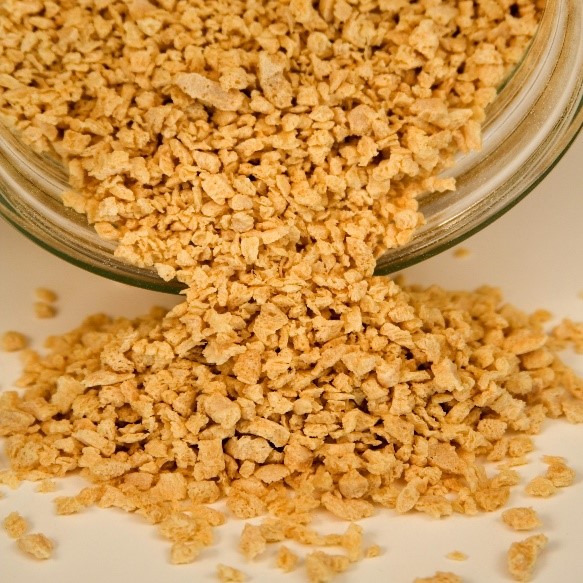 Textured soy protein or texturized soy protein (TSP) (sometimes called textured vegetable protein), is thermoplastically-extruded soyflour or soy protein concentrate that has a texture analogous to that of ground beef. It has been utilized to make cholesterol-free, low fat, all-vegetable hamburger patty analogue products, chili/taco meat analogues, etc. When a binding agent is added, it can be formed into analogues of meatballs, meat loaves, chicken nuggets, burgers, bacon crumbles, breakfast sausages, and stir-fry products. It can also be mixed with ground beef to be sold as a low fat ground beef analogue product.
Although commodity (i.e., mixed) soybeans have historically been utilized to manufacture TSP, TSP is now undergoing a rebirth. It is being utilized to make Impossible™ Whopper® burgers served in Burger King®, Red Robin® and other restaurants in cities around the world. With time, those new markets will identify properties/taste needed to optimize TSP produced for each end use in each of those new markets, and TSP-specific soybean varieties will be created.
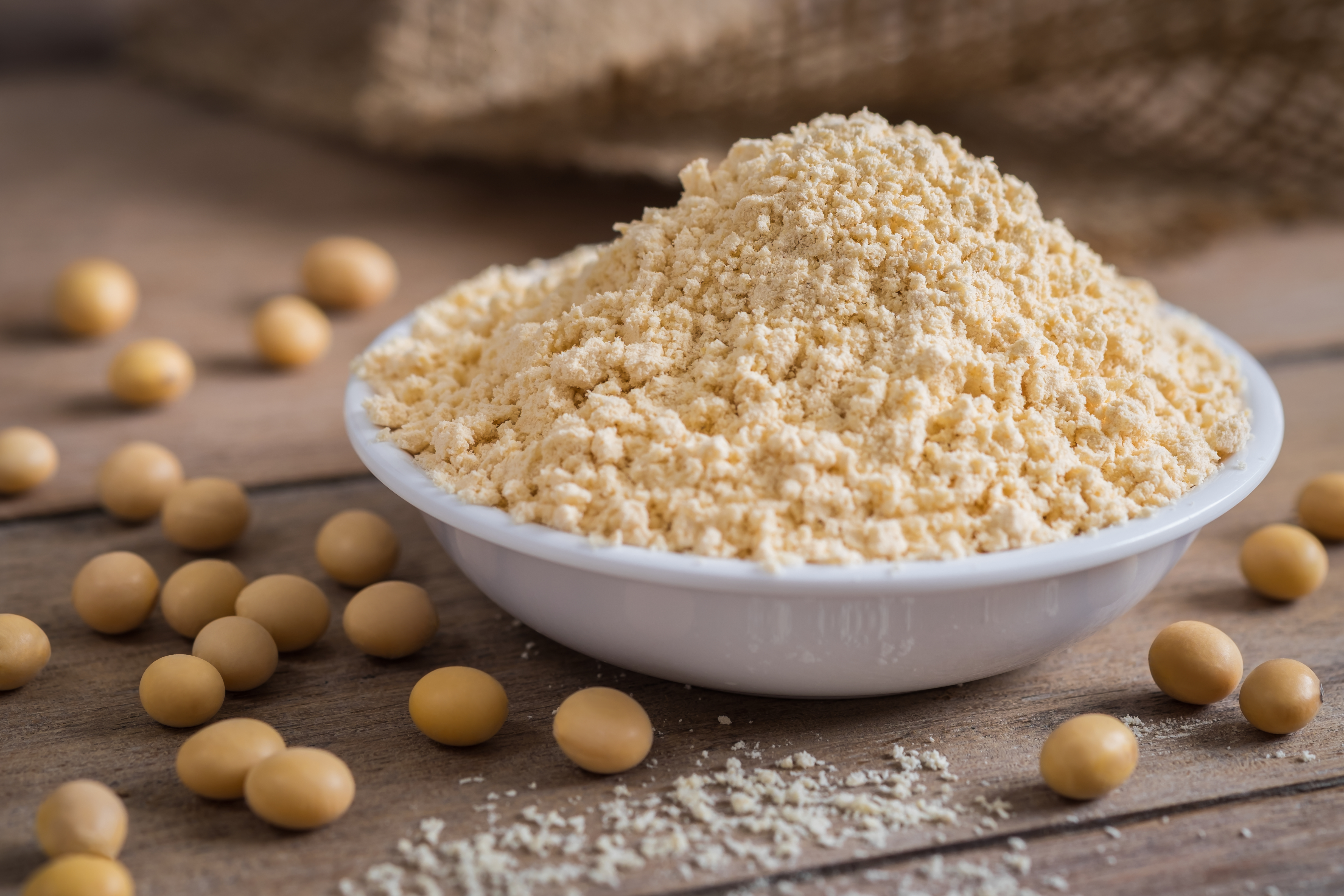
Soy flour, derived from ground soybeans, boosts protein, brings moisture to baked goods, and provides the basis for some soymilks and textured vegetable protein. This versatile ingredient improves taste and texture of many common foods and often reduces the fat absorbed in fried foods. The taste of soy flour varies from a “beany” flavor to a sweet and mild flavor, depending on how it is processed.
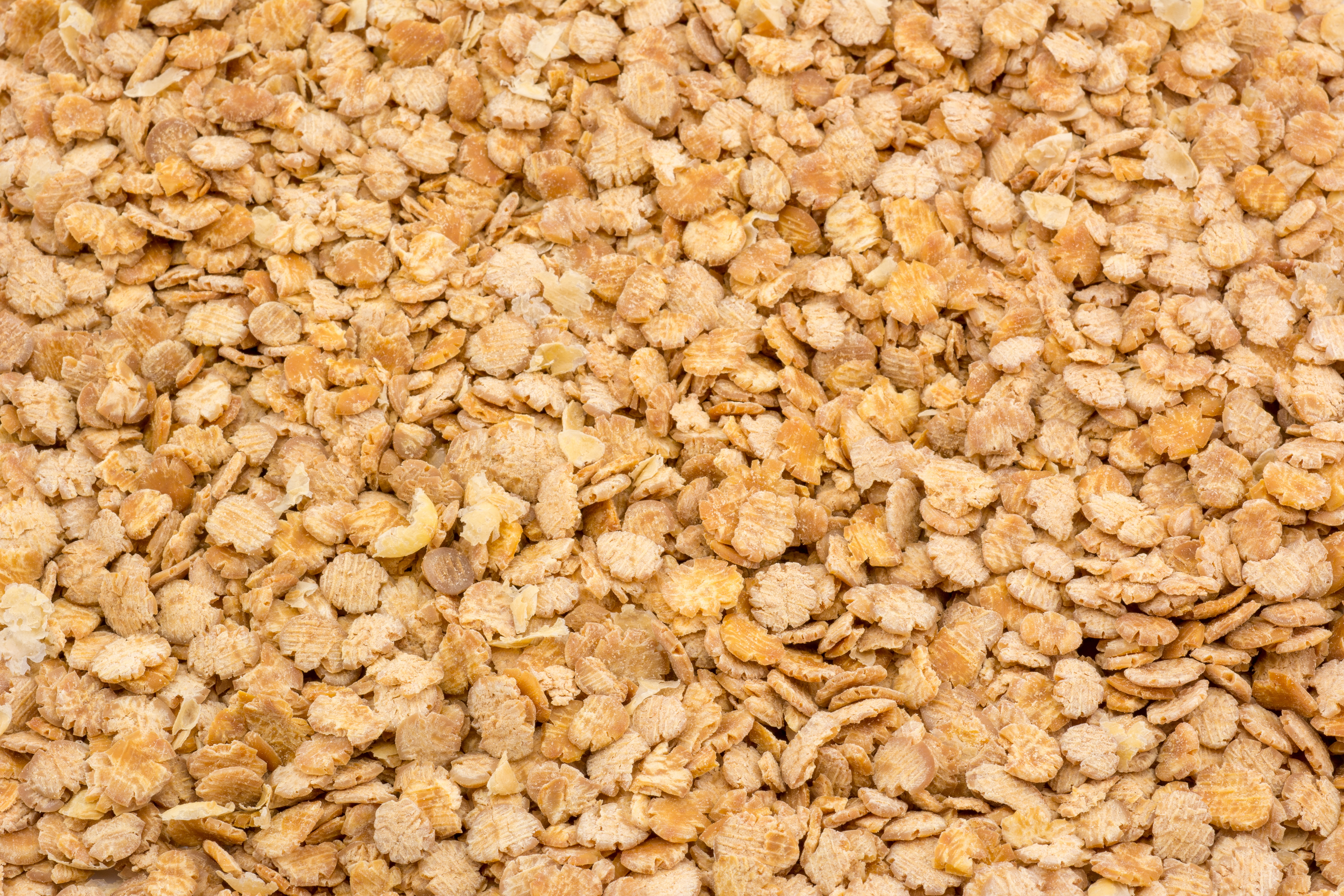 Soy flakes resemble rolled oats or wheat flakes. These products are most widely used in processed meats (patties, sausages, chili, loaves), as well as specialty bakery items, beers (as a clarifier), and candies. Nutritional composition is the same as defatted soy flour.
What is Food Grade Soy?
Many Americans incorrectly believe the soybeans utilized to make food products overseas are monolithic (i.e., all such foods made from the “commodity soybean”). While most soy foods could theoretically be manufactured from commodity soybeans, they taste better and fulfill other consumer demands (e.g. color of resultant soy foods, solubility of the protein in water solution, and gelling of the protein/water solution when made into tofu) and even certain legal requirements when they are manufactured from very specific food soybean varieties that are grown, harvested, and shipped separately from other varieties of soybeans. That separated production and shipping process is called identity preservation.
Be Social with Us


