
IP Crop Network: September 23 report
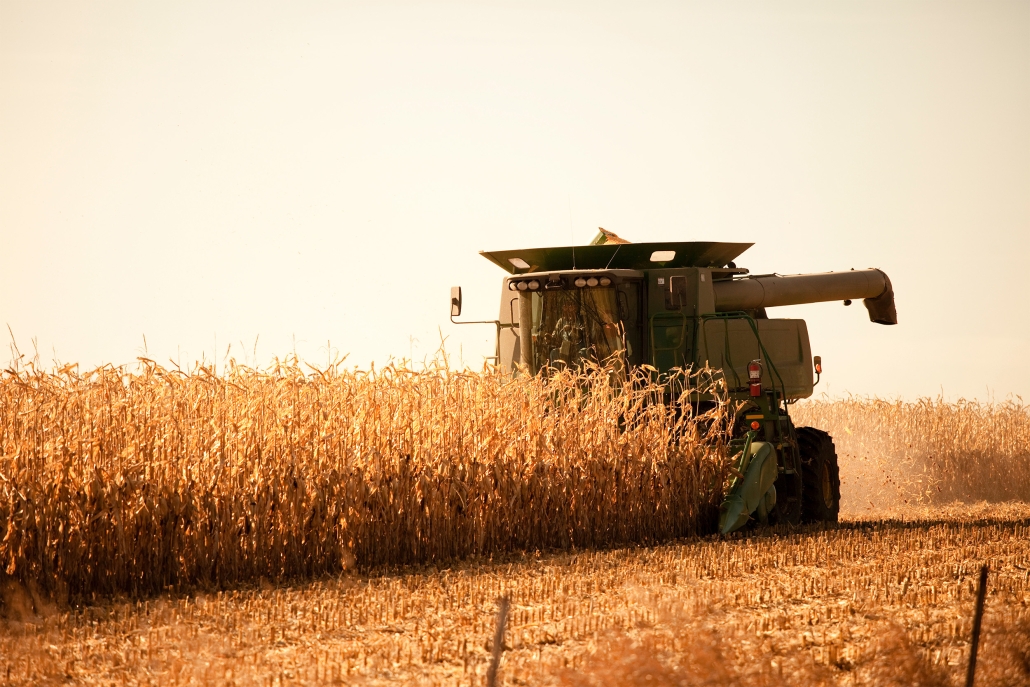
Preparations are ramping up for harvest across the Midwest. If farmers aren’t in the field already, they likely will be before the next crop report comes out. 61% of soybeans throughout all soybean-growing states have dropped leaves, and 56% of corn throughout all corn-growing states has matured.
In Michigan, soybeans are all dropping leaves, except some small areas of late replants. Throughout the state, 68% of soybeans have dropped their leaves. Earlier planted varieties are within a week of being ready to harvest. Time will tell how much the late drought has affected the soybean size and yield, but most of them still look to be pretty decent. In the broader southeast Michigan area, there are some soybean fields being harvested within the last week and corn silage is also being chopped. Corn is getting close to black layer, but most is half milk line or more so still has a few days to go. Corn throughout the state is mostly within the fair to good range. There has been timely rain and warmth in the past week to help things finish up.
The mild but continued damp weather in Wisconsin has pushed maturity, as most soybeans have colored and are in leaf drop (R7-R8). 46% of soybeans have dropped their leaves, which is 5% below the 5-year average. The very earliest beans are ready for harvest once the weather gives the seeds a chance to dry to acceptable levels. Disease levels are variable with some phytophthora in lower areas and scattered SDS. White mold seems to be only noticeable on the irrigated acres. Edible bean harvest has been slow but continues, as rain regularly makes a continued level of activity difficult to sustain. Yields appear to be above average but not record in any way. Corn silage has been happening on sandy soils and is now beginning on the silt loams and heavier soil types. Rain is a challenge here as well, and most are looking forward to a dryer stretch to accelerate progress. Corn diseases are quite apparent with tar spot, southern rust and anthracnose being found across the region. Genetic variation seems to be the main reason for variation between fields, followed by crop rotation and fungicide usage. Most producers are concerned with current prices, which are all below the costs of production.
Minnesota has been wet, and there was an additional 3.2” of rain late last week, saturating the already wet soil. 77% of the topsoil and subsoil are in the adequate range, while over 13% falls in the surplus range. Natto bean harvest will begin in one farmers’ field as soon as the ground dries out enough to sustain that. Fields look a little uneven due to the moisture levels, so yield predictions will come after the combine gets rolling. 94% of soybeans fall in the fair to excellent condition range, which will hopefully be reflected in the yields.
In a drastic change from Minnesota, Illinois is in an extreme drought index. There hasn’t been rain in the east-central portion of the state for a long time. Soybean harvest is starting this week, and 12% of corn has already been harvested. As harvest ramps up, dust is heavy, and fires are a big concern. Yields are unknown at this time, but moisture looks to be very low on identity preserved soybeans, which should help. 64% of soybeans fall within the fair to good range.
The crops are maturing nicely across North Dakota. With above normal temperatures for the next 10 days, the majority of fields have little risk of early frost. North Dakota farmers will likely start harvesting some fields soon, but the majority of the area is still about 7-10 days from starting harvest. Yields should be above average and good quality is anticipated. Much of the eastern part of the state received good rainfall over the past week so that should help maintain seed moisture as opposed to a dry harvest last year.
SSGA’s IP Crop Network is published twice a month, highlighting growing conditions for identity preserved crops from different regions around the country. The reports include both firsthand accounts and data from the National Agricultural Statistics Service (NASS) weekly Crop Progress reports.


Leave a Reply
Want to join the discussion?Feel free to contribute!