
IP Crop Network: October 27 report
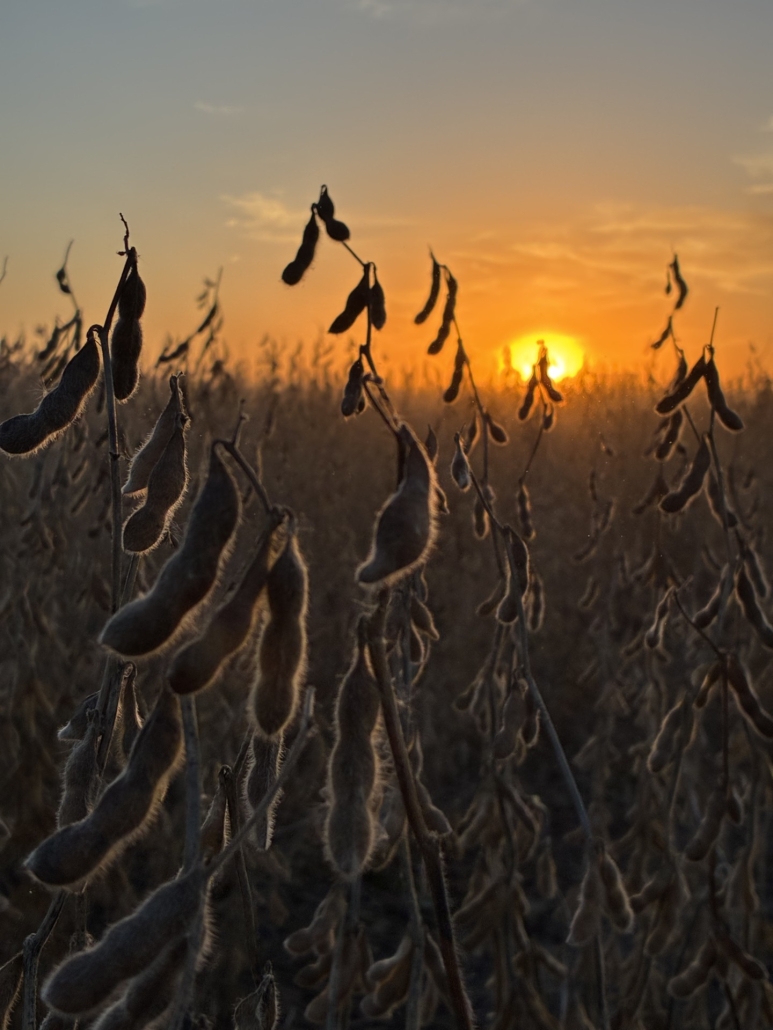
The 2026 harvest is rapidly progressing across the Upper Midwest, with many growers nearing completion or already finished with their soybean harvest. Favorable weather conditions throughout October have allowed farmers to make excellent harvest progress. Recent weather has been generally dry with seasonal temperatures, providing ideal conditions for harvest activity. Yield reports continue to be variable across the region depending on rainfall patterns during the growing season, but soybean quality has generally been good, with good seed size and satisfactory protein levels reported in many areas.
Soybean harvest is nearing completion in northwest Wisconsin with very few acres remaining unharvested. Statewide, the USDA reports that 87% of the crop is harvested in the state, well above the five-year average of 76%. Yields are in the average to above average range, with top quality acreage performing well above expectations. Corn yields are impressive given the extreme weather over the past 90 days. The corn falls mostly within the good quality range. Grain quality is superb in all grain crops.
In Illinois, soybeans are 81% harvested across the state, again well above the five-year average of 77%, and looking to be an average yield. Corn is sitting at 74% harvested, right in line with the average, and falling into the good quality range. Yields for corn are also expected to be average. Some post-harvest field work is going on now, but with current fuel prices, some people are reconsidering.
Michigan is also close to being done with soybeans, and they turned out slightly below average, which is not bad for the weather this year. The state sits at 69% of soybeans harvested and 28% of corn. This is significantly behind the five-year average of 43%, most likely due to heat during pollination and dry weather, which have also led to below average yields.
Minnesota’s soybeans are 93% harvested and corn sits at 65%, both of which are slightly below the five-year average. However, yields across the state look to end up above average. Some soybean quality concerns have emerged, including purple seed stain caused by the fungus Cercospora and reports of Soybeans of Other Colors (SBOC). Research shows these problems usually do not lower soybean protein or oil quality, though purple seed stain can affect seed growth if used for planting. So far, these issues have not led to grain discounts, and field visits and farmer feedback suggest their overall impact is limited right now.
This twice monthly report highlights growing conditions for identity preserved crops from different regions around the country. The reports include both firsthand accounts and data from the National Agricultural Statistics Service (NASS) weekly Crop Progress reports.


Leave a Reply
Want to join the discussion?Feel free to contribute!