
IP Crop Network: July 14 report
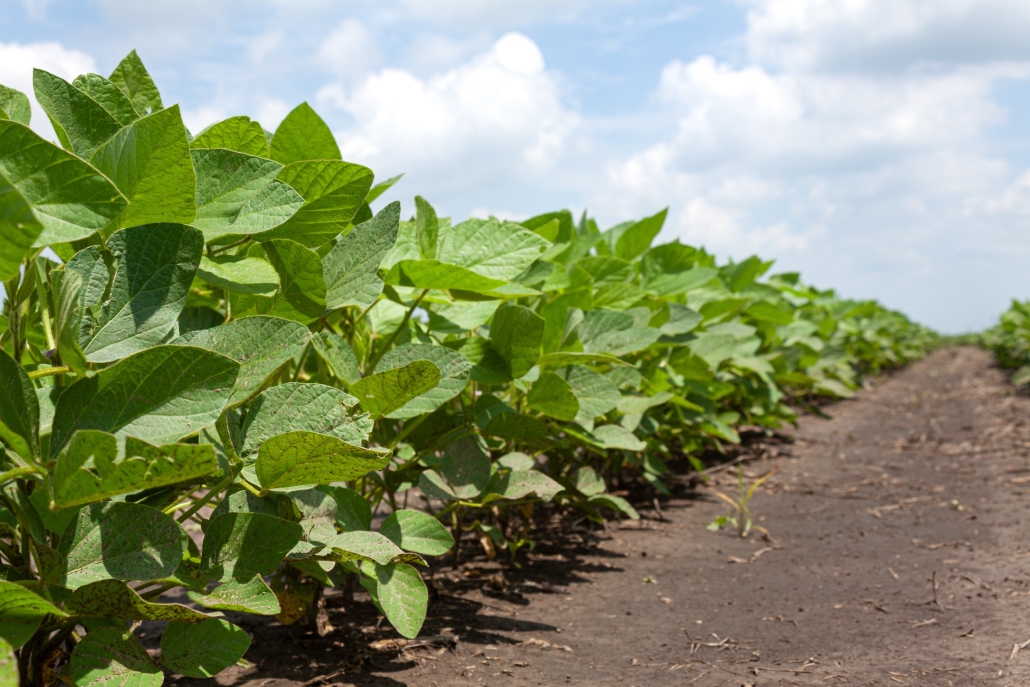
The soybean crop in the Upper Midwest is right on schedule. While there are areas that are too wet and some areas too dry, the majority of the region is in good condition. The entire region is forecasting above average temperatures and below average moisture for the next two weeks, so the plants may start showing the stress in the coming days. Most of the plants are now flowering, and there have been minimal reports of insects or disease.
Despite a growing season that has included late planting, drowned-out areas and dry conditions in some regions, Michigan’s soybean crop is looking good overall. Most fields are in the early reproductive growth stages, which is right on schedule for this time of year. Soybeans planted in narrow rows have mostly reached canopy closure, while wider row spacings are continuing to make good progress. This is also the time of year when growers typically evaluate the need for white mold fungicide applications. However, this season’s warmer temperatures and below-normal rainfall have created conditions that are less favorable for white mold development, reducing disease risk in many areas. Rainfall has been highly variable across the state, with some regions experiencing very dry conditions while others have received excessive moisture.
In Wisconsin, the soybean crop is rated as being in good condition overall. The challenges experienced early in the season from the cool, dry weather throughout May have largely been offset by timely rainfall and a return to warmer temperatures over the past two weeks. While some fields still show evidence of uneven emergence from soybeans planted during the second half of May, most of the crop has responded well to the improved growing conditions. Recent precipitation has supported strong vegetative growth, and with additional moisture in the forecast, crop development continues to progress favorably. Although thinner stands in some areas may still limit top-end yield potential, the overall outlook has improved. Most soybean fields are now in the V6 to R1 growth stages. If weather conditions remain favorable through the remainder of July, the crop is well positioned to produce a solid yield. The latest U.S. Drought Monitor shows areas of slight drought across much of Wisconsin and northern Illinois. Soil moisture levels have declined in recent weeks. While crops remain in good condition overall, continued dryness and heat could begin to impact yield potential if rainfall does not occur. The good news is that rainfall is in the forecast for the region. There are multiple chances for precipitation over the next 7-10 days, which should help alleviate some of the short-term moisture stress and support ongoing crop development. Timely rains will be the key to maintaining crop health as crops move into reproductive stages.
In east-central Illinois, an abundance of rain over the Fourth led to ponding issues and yellow soybeans in a few fields. The current heat wave might help to dry out some of these fields and make up for the rain. 17% of the state has a surplus amount of moisture in the topsoil, and 15% in the subsoil. Fungicide is being applied to corn this week and will be applied to soybeans soon.
Rainfall has been more abundant throughout Minnesota since July 4. Rainfall amounts between 0.75 to 3 inches fell in various areas across the southern part of the state. Some isolated areas received over 5 inches, along with some damaging winds. Overall, soybean fields appear to be in good shape for this time of year, but there is a lot of growing season to go yet. The next chance of rain and slightly cooler temperatures is this weekend, and it will be welcomed after this hot spell. This rainfall was just in time for the high temperatures we will have this week, as the 2026 soybean crop moves farther into its flowering stages of growth. Current field conditions are perfect for the infection and development of white mold in soybeans, especially if soybean fields have already canopied. Growers should check to see how resistant their soybeans varieties are to white mold development, and what their fields past history has been with white mold development. Fungicide applications should be planned right away if your fields or varieties are susceptible, as this soybean disease will enter the plant through the soybean flower.
This twice monthly report highlights growing conditions for identity preserved crops from different regions around the country. The reports include both firsthand accounts and data from the National Agricultural Statistics Service (NASS) weekly Crop Progress reports.


Leave a Reply
Want to join the discussion?Feel free to contribute!