
IP Crop Network: July 28 report
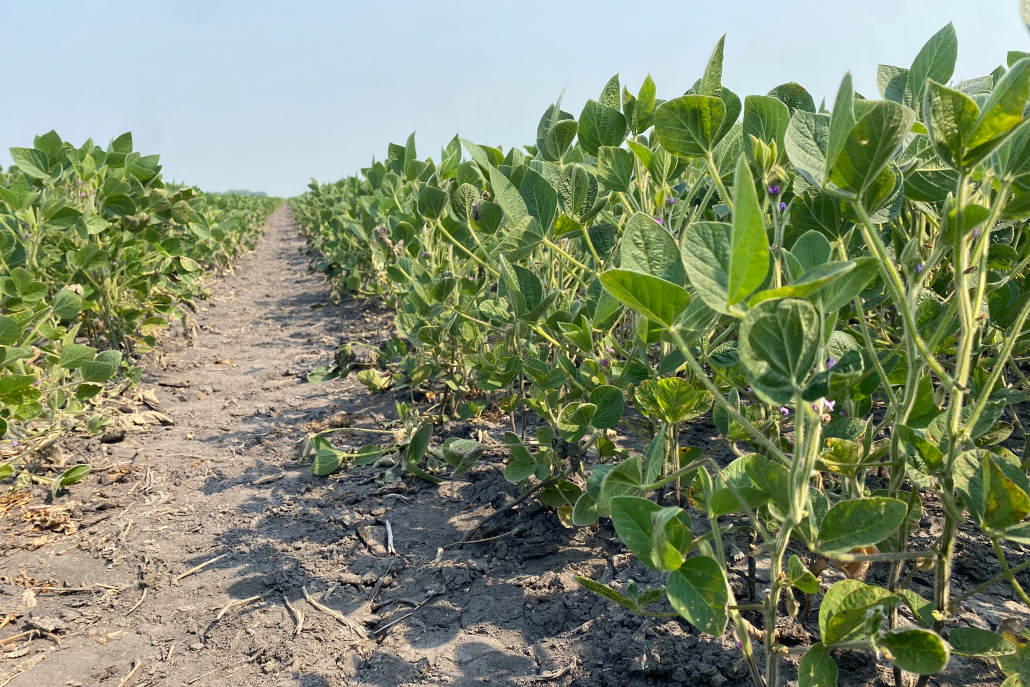
The crop conditions in the Upper Midwest are still good, but with the extended hot and dry weather, crop conditions are expected to likely deteriorate. Most soybeans are flowering and setting pods, so it is imperative that growers start getting moisture in a timely manner over the next 4-6 weeks.
In Wisconsin, many areas are showing some moisture stress from the below normal rainfall of this growing season, but much of the crop is still lush and green. The rains from early July have been used, but roots are deep where farmers have been focused on soil health, cover crops and less tillage. According to the NASS crop report, Wisconsin is over 70% adequate topsoil and subsoil moisture. Soybeans are in full flower to beginning pod growth stage, slightly above the five-year average. Small grain harvest is in full swing, and corn is at the silking stage or approaching the critical grain fill stage. Weeds have also enjoyed good growing conditions as many fields struggled to see herbicides activated during the dry stretches earlier in the growing season. At this point, disease and insect pressures appear to be minor at worst. Yield potential is good, while plentiful rainfall would be welcome to maximize yields during August. The soil profile can use a lot of rain during this timeframe.
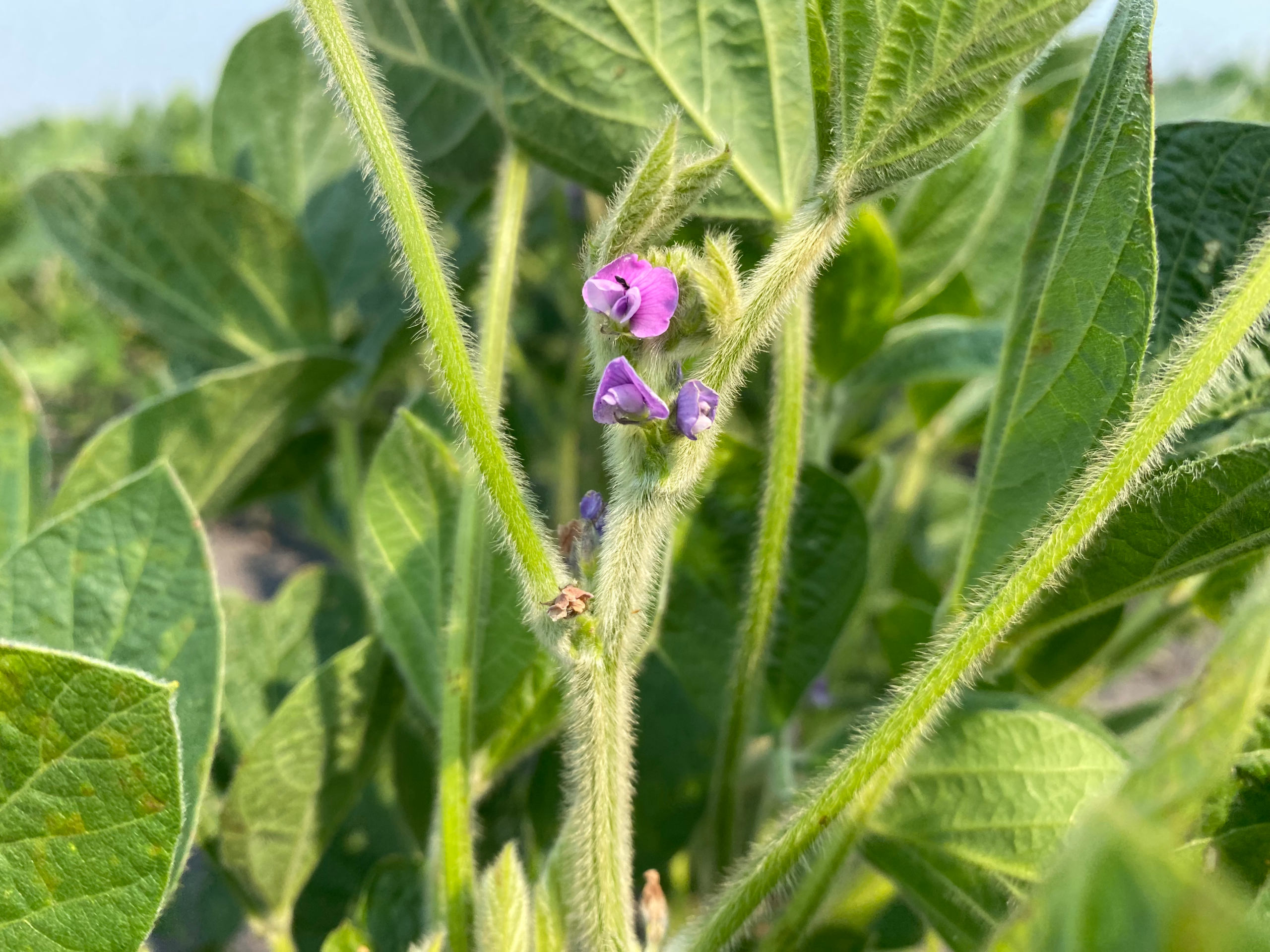 Crops are looking pretty decent overall in Michigan but have been quite dry the last 2-3 weeks, so they are needing a drink. Michigan is starting to fall within the short moisture range for subsoil, and the majority of topsoil does fall in that range as well. The soybeans are around R3 and have good height to them so once there is some more rain, they have good yield potential. Soybeans are ahead of the five-year average for blooming, and right on track for setting pods. The corn is almost all pollinating, so the slightly cooler temps are appreciated. Insect pressure and disease pressure appear to be minimal at this point in the growing season.
Minnesota’s beans, including natto, look good. Crops could use a rain in the next week or so but for now they are holding in there pretty well, considering all the heat. Minnesota is still sitting at mostly adequate moisture in both topsoil and subsoil, but 30% of cropland is now considered short. Some waterhemp has poked through the canopy but there is no insect pressure to speak of. The crop is finishing up flowering and setting pods, well ahead of the five-year average. Several parts of the state have been experiencing moderate drought over the past weeks. As a result, in the Red River Valley, it was common to see wilting soybeans during hot hours, curling corn and wilting sugar beets. Some early reports from the northern part of the state indicate that harvest is a bit ahead schedule for cereal grains (5-10 days early), and grain yields in wheat, barley and rye seem to be below average, but since it is just starting, further monitoring is necessary. White mold remains a major problem for beans overall, but spider mites and aphids are beginning to appear in some fields.
This twice monthly report highlights growing conditions for identity preserved crops from different regions around the country. The reports include both firsthand accounts and data from the National Agricultural Statistics Service (NASS) weekly Crop Progress reports.


Leave a Reply
Want to join the discussion?Feel free to contribute!