
IP Crop Network: September 8 report
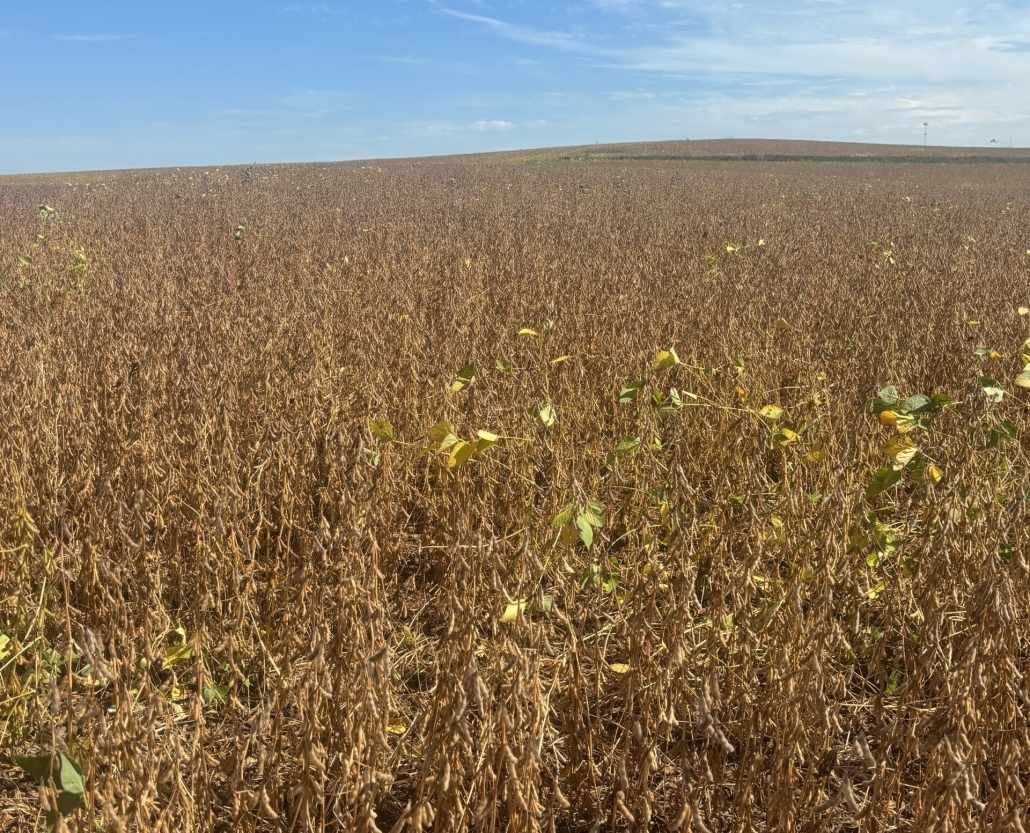
The Upper Plains have gotten some much needed rainfall over the past two weeks. Most of the region is still well below average for precipitation for the season, but this late rain should help seed fill and seed size. Harvest is approaching rapidly. It will likely start over the next 10 days, but the majority is still about two weeks away. There is no risk of frost in the forecast for the next 14 days, so there is very little risk to the production from a frost standpoint.
Soybean maturity is variable across the state of Michigan, largely in response to rainfall. In areas that received less rainfall and have remained drier, some soybeans may be ready for harvest as early as the middle of September. Areas that received more rainfall are expected to remain on a more typical October harvest timeline. Recent rains will help to fill some soybean pods and corn kernels as we head into the final growing stretch. Potential soybean yields are also variable depending on rainfall throughout the growing season. Overall, growers are expecting average to above-average yields across much of the state. Hot temperatures and limited rainfall have helped keep disease pressure relatively low this year, with limited reports of white mold. Some spider mite pressure has been reported in the drier areas of the state.
In Minnesota, natto and other food-grade beans are maturing nicely. Next week, one farmer in south eastern Minnesota expects to start harvesting his c0nventional soybeans planted on April 15. Overall, crops are anticipated to have an average yield due to drought conditions throughout the state. Insects and fungi were not aggressive this year in any crop, although sections of the state saw outbreaks. Central Minnesota saw aphid outbreaks in soybeans, and tar spot was present in corn throughout the state. Cereal grains didn’t see much evidence of fusarium head blight during harvest this year. A majority of crops are in the fair to good condition range.
This twice monthly report highlights growing conditions for identity preserved crops from different regions around the country. The reports include both firsthand accounts and data from the National Agricultural Statistics Service (NASS) weekly Crop Progress reports.


Leave a Reply
Want to join the discussion?Feel free to contribute!