
IP Crop Network: September 22 report
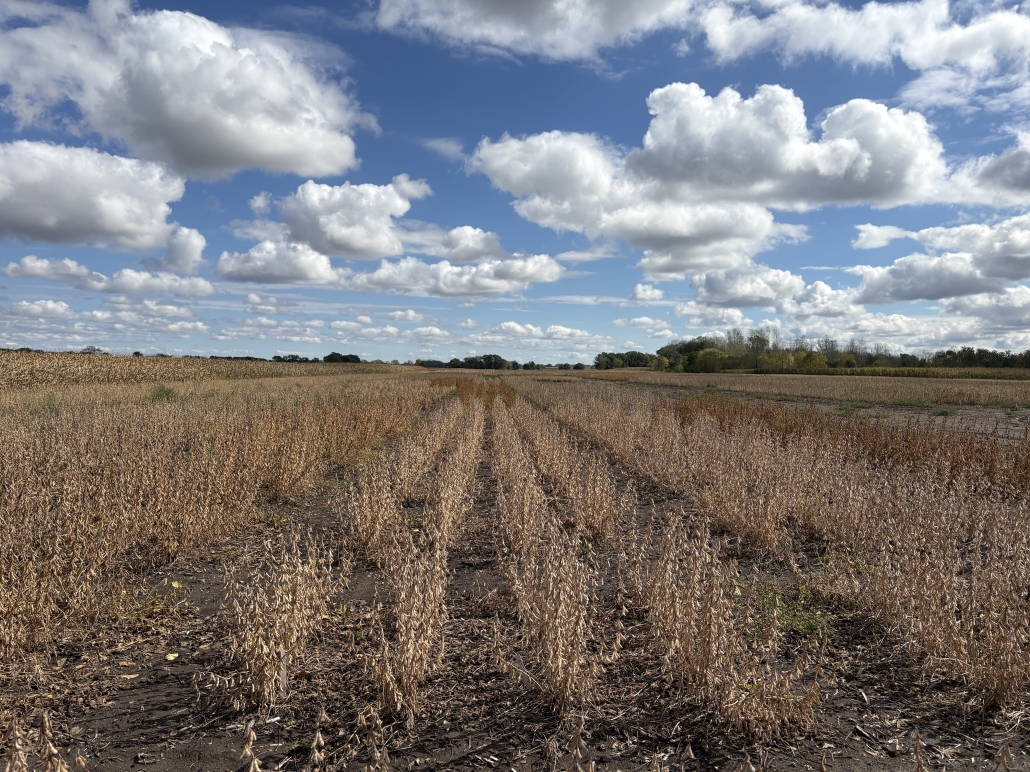
Harvest activity has increased across the Upper Midwest as growers take advantage of favorable weather conditions. Soybean harvest has begun in some locations, with yields reported as variable depending on planting date, moisture availability and weather conditions throughout the growing season. Growers are monitoring grain moisture and field conditions closely as harvest activity expands. If favorable weather continues, harvest progress is expected to accelerate over the next one to two weeks.
Fall has officially arrived in Minnesota, and harvest is beginning with mixed results across the state. One farmer was harvesting natto beans Tuesday and reported moisture of 13.4% and high 40s for yield. In the Red River Valley, soybean harvest has started early in areas that experienced significant drought stress during the growing season. About 8% of the soybeans across the state have been harvested, as of the USDA progress report released Monday. Overall, fungal disease pressure has been relatively low across most cropping systems, largely because of the drier conditions this year. In central and southern Minnesota, soybean yields are looking promising, and many farmers remain optimistic as harvest progresses. Corn harvest has also started, particularly in drought-affected areas where the crop reached maturity earlier. Recent rainfall across parts of central and southern Minnesota has brought some moisture back to the region, although its impact will vary depending on crop maturity and local conditions. As more acres are harvested over the coming weeks, a clearer picture of Minnesota’s 2026 crop performance will begin to emerge.
Soybean harvest across Wisconsin is running a little later than normal this year. Typically, by mid-September, a few of the earlier planted beans from sandier ground trickle in. However, with the recent cooler temperatures and rainfall, the crop has been slow to finish. At this point, farmers are probably still about 10 days away from seeing any meaningful new crop soybean harvest begin. Fields are definitely starting to change, but there is still quite a bit of green out there. There continues to be weed pressures, but insect and disease infestation remain low with only sporadic sudden death syndrome being noted. The earlier maturity varieties are beginning to drop all leaves and move toward full maturity, while some of the later varieties remain much greener. Those differences should become even more noticeable over the next week or two as the crop continues to dry down. The good moisture received throughout August and into September helped the crop through pod fill and should result in good seed size and test weights this year. Yield expectations remain mixed depending on the grower and location, but the best estimate is still an average crop. For dry edible bean crops like kidney or black beans, harvest was interrupted and challenging. Earliest harvest reports show good yields but slightly below last year. Corn silage is wrapping up, and corn yields look to be very good on deep soils but significantly impaired on droughty soil types. Cover crops continue to become more popular among farmers as the benefits are noticeable and positive for crop production.
This twice monthly report highlights growing conditions for identity preserved crops from different regions around the country. The reports include both firsthand accounts and data from the National Agricultural Statistics Service (NASS) weekly Crop Progress reports.


Leave a Reply
Want to join the discussion?Feel free to contribute!