
IP crop harvest brings solid quality, yields
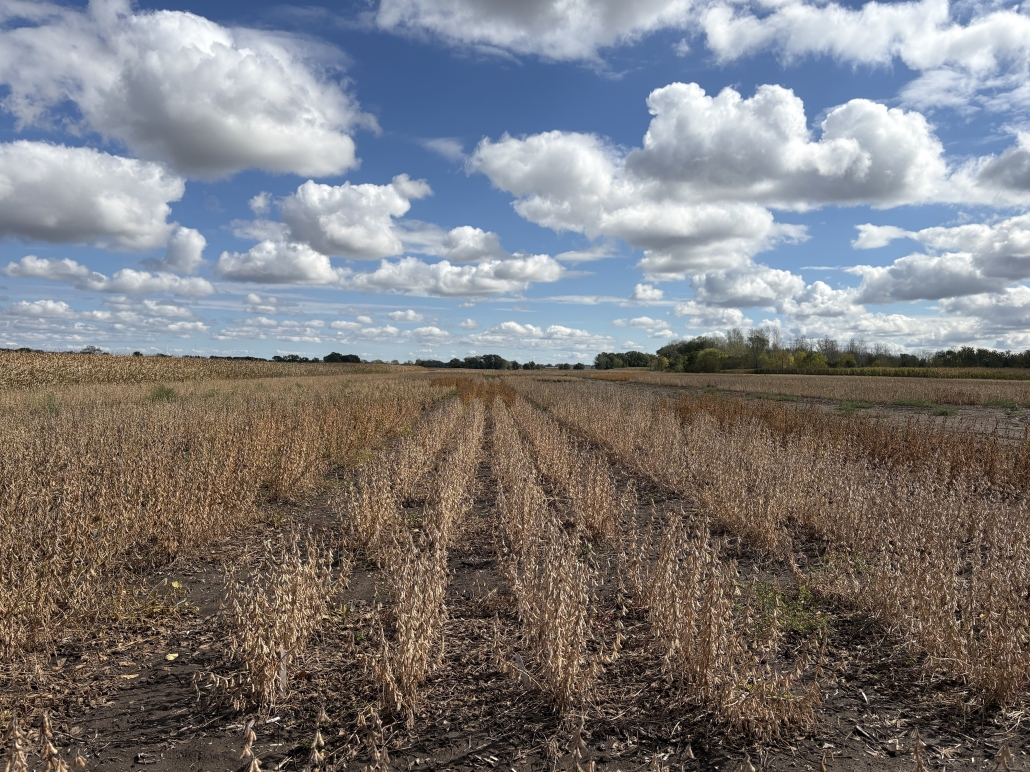
As the weather turns cooler, many farmers in the Upper Midwest are harvesting their last few acres or putting equipment away for winter. In warmer regions, where later-maturing varieties extend the growing season, harvest still has several weeks to go. In the U.S., 92% percent of soybeans have been harvested and 81% of corn is harvested.
Reports from identity preserved growers across the U.S. generally described average yields with some variation by region.
In western Minnesota, Tom Frisch reported good to better-than-average yields of his natto crop. Harvested in late September and early October, the beans came out clean and in good condition. A few days of rain slowed the farm’s remaining fieldwork, leaving corn still to harvest at the time of this report.
Farther east, the harvest calendar looks different for Tom Taliaferro of Montague Farms, which works with growers in Virginia, North Carolina and Maryland. Those growers typically begin harvesting soybeans in mid- to late October and push to finish by Thanksgiving.
The longer growing season supports varieties ranging from the mid-4 to late-5 maturity groups. The latest-maturing varieties were not yet ready for harvest at the time of the report.
This year, yields have been average to slightly below average, while quality has been very good. Dry weather during August and September reduced yield potential. Conditions returned closer to normal in early October before another dry stretch. Although the dryness limited production, favorable harvest weather has helped preserve quality.
Seed size is somewhat smaller this year, Taliaferro reported, and soybean moisture has averaged about 12.5%.
For Illinois farmer and U.S. Identity Preserved Alliance Chair Bryan Severs, harvest was a welcome contrast to an unpredictable growing season. Dry conditions made harvest relatively easygoing. Yields for both corn and soybeans were in line with the farm’s historical averages.
The growing season swung between dry stretches and heavy rainfall. Separate storms dropped 10 inches and 7 inches on different fields, while a small town nearby flooded in August, something usually seen in April.
“Mother Nature’s in charge,” Severs said.
Severs completed corn harvest in the first few days of November. With the combine parked, he’s looking forward to a few days of rest before preparations for the 2027 growing season begin.


Leave a Reply
Want to join the discussion?Feel free to contribute!