IP Crop Network: August 12 report
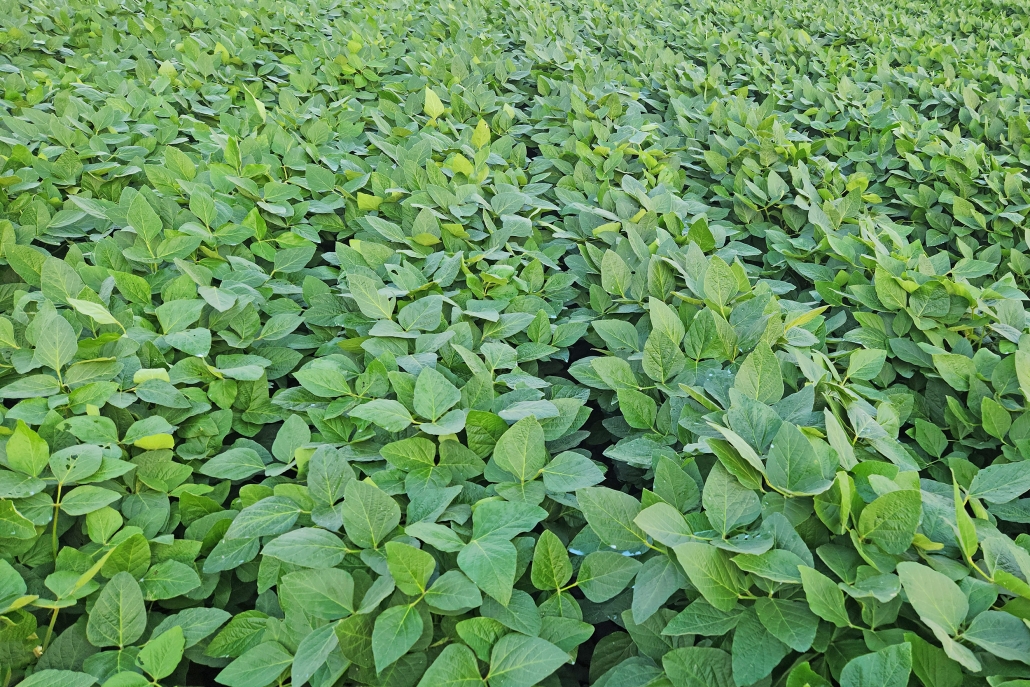
August is finally here, and farmers across the Midwest are beginning to prep for harvest. Almost all soybeans throughout all soybean states are blooming, and most are even setting pods by now.
For the most part, beans in Minnesota are staying pretty clean. Some hand weeding was done about two weeks ago, and insect pressure is just starting to show up. Spring provided plenty of moisture and the soybeans are around the R5 stage with pods filling. Soil conditions fall mainly under the adequate range, and soybean conditions fall mostly in the good range.
Southeast Michigan has been fairly dry the last couple weeks, but did receive a good rain of almost 2” just prior to the dry spell, which helped carry the crops through. The beans look decent overall but not as many pods as years past – compared to 2024, the pod set is about 7% behind. The excessive rainfall and cold spell early on this spring hurt them for sure. If there is rain soon, it should help them keep more pods, but time will tell how well they end up accomplishing that. Corn is working on filling kernels and overall looks to be really good.
Soybeans across North Dakota range from full bloom (R2) to beginning seed set (R5) stages. Overall, the soybean crop condition is rated mostly good to excellent statewide, though some areas show stress from root rots, iron deficiency chlorosis and bacterial leaf blight. Soybean aphid populations remain low but are slowly increasing in eastern regions. Corn is tasseling with no major issues, and wheat harvest is underway amid rising disease concerns. Cooler temperatures and frequent rains, especially in eastern and southeastern parts of the state, have slowed crop development and could delay maturity. Saturated soils and wet conditions may also limit field access, potentially pushing back the start of harvest if wet weather persists.
In Illinois, it’s been hot and dry, but overall soybeans seem to be in a good spot. Fungicide has been sprayed and besides being a little weedy, the crop is looking good. So far diseases and bugs have not been a big problem, but farmers are keeping their eyes open. Pod set throughout the state is a little behind the average, but with a little more rain it should catch up soon.
Crops in Wisconsin continue to flourish with adequate rainfall as rain gauges in the Northwest recorded 7.5 inches for the month of July. This timely precipitation will be critical for supporting seed fill over the next two weeks, as moisture availability will play a significant role in determining final seed size and weight. The concern with these ideal moistures is that foliar diseases will become common over time as the environment under canopy is increasingly favorable for white mold, frog eye and other pathogens that thrive in warm, moist environments. There have been some reports of tar spot in corn fields, which could become a real concern at this stage of development. Small grains are being harvested and while yields are generally excellent, grain quality is often less than ideal. Harvesting small grains has been difficult with damp weather and weed pressures increasing. Soybeans and edible dry beans look great so far in the season, but the next 3 weeks will tell us just what we can expect for harvest. The 2025 soybean crop is overall in good to excellent condition, with early-planted fields demonstrating great yield potential and later-planted acres showing respectable prospects, contingent on cooperative August weather.
SSGA’s IP Crop Network is published twice a month, highlighting growing conditions for identity preserved crops from different regions around the country. The reports include both firsthand accounts and data from the National Agricultural Statistics Service (NASS) weekly Crop Progress reports.


Leave a Reply
Want to join the discussion?Feel free to contribute!