USIP Alliance pushes for cooperator status, logistics fixes in DC
The U.S. Identity Preserved Alliance (USIP Alliance) traveled to Washington, D.C., July 8-10 with a clear top priority: garnering support for recognizing the USIP Alliance as a new cooperator within USDA Foreign Agricultural Service (FAS) programs for opportunities to unlock export promotion funds that are vital for identity preserved crop farmers and exporters. The delegation also prioritized Federal Maritime Commission (FMC) Reauthorization legislation, Section 301 port fees and other priorities aimed at keeping value-added U.S. crop moving reliably to markets around the world.
Throughout meetings on Capitol Hill with members of Congress and staff from Minnesota and North Dakota, the delegation emphasized how important cooperator status is to the USIP Alliance’s mission and membership.
“Cooperator status is the number one reason we went to Washington,” said Gary Williams, USIP Alliance director of transportation and regulatory affairs. “These funds are absolutely vital if we’re going to build markets for identity preserved crops.”
Recognition as a USDA FAS cooperator in programs such as the Market Access Program, Foreign Market Development Program and America First Trade Promotion Program would provide the long‑term, strategic funding identity preserved exporters have lacked.
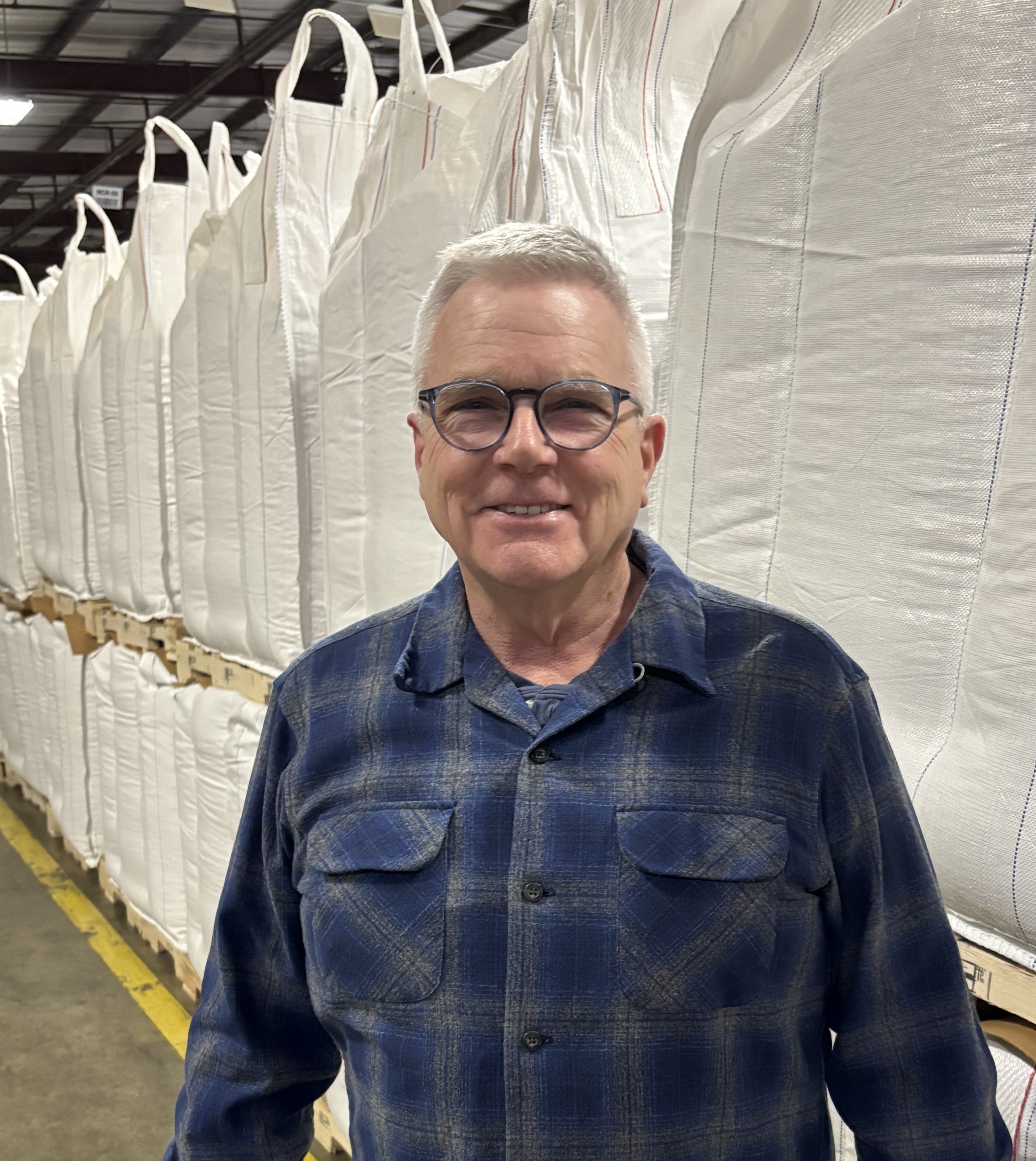
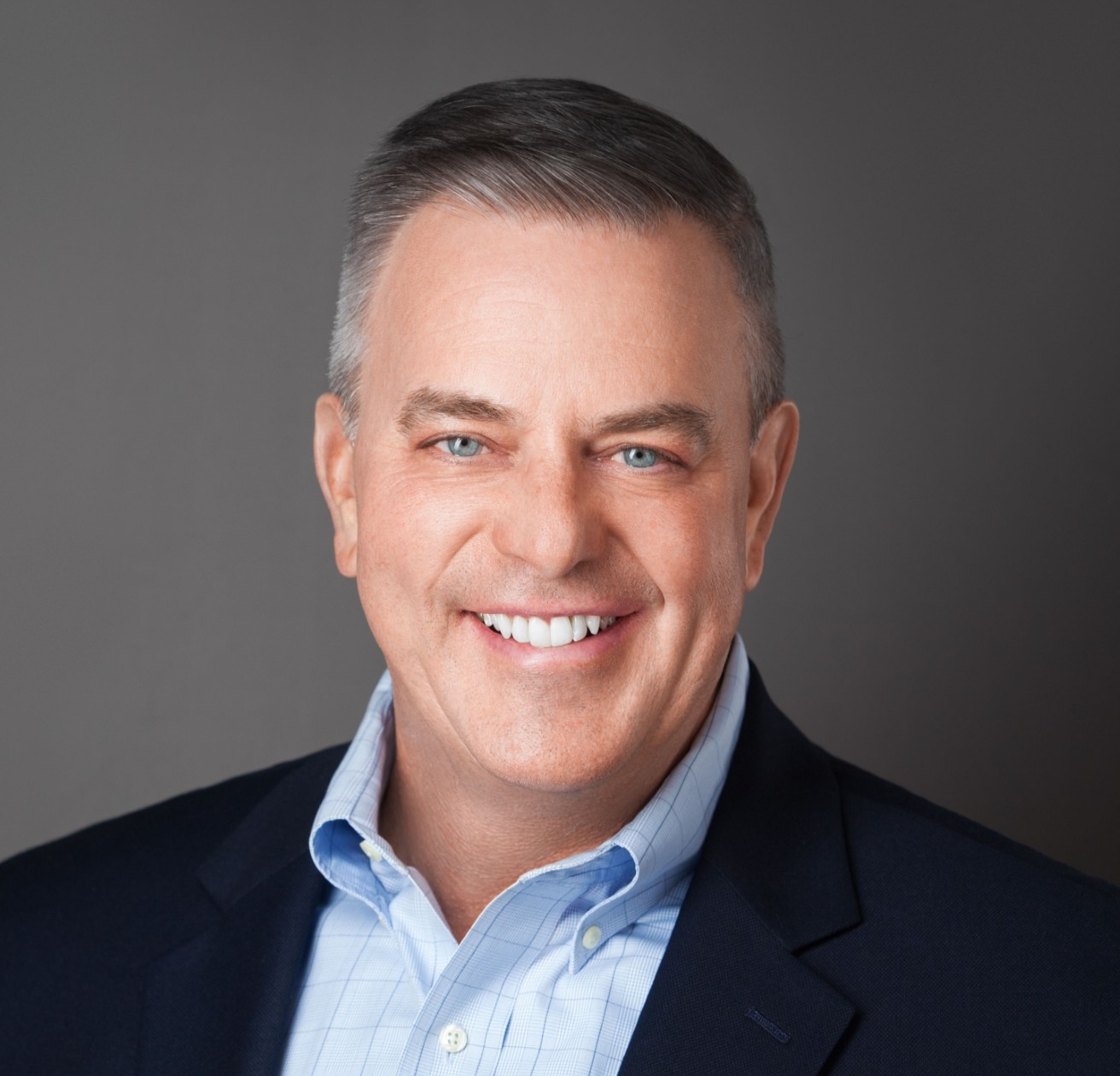
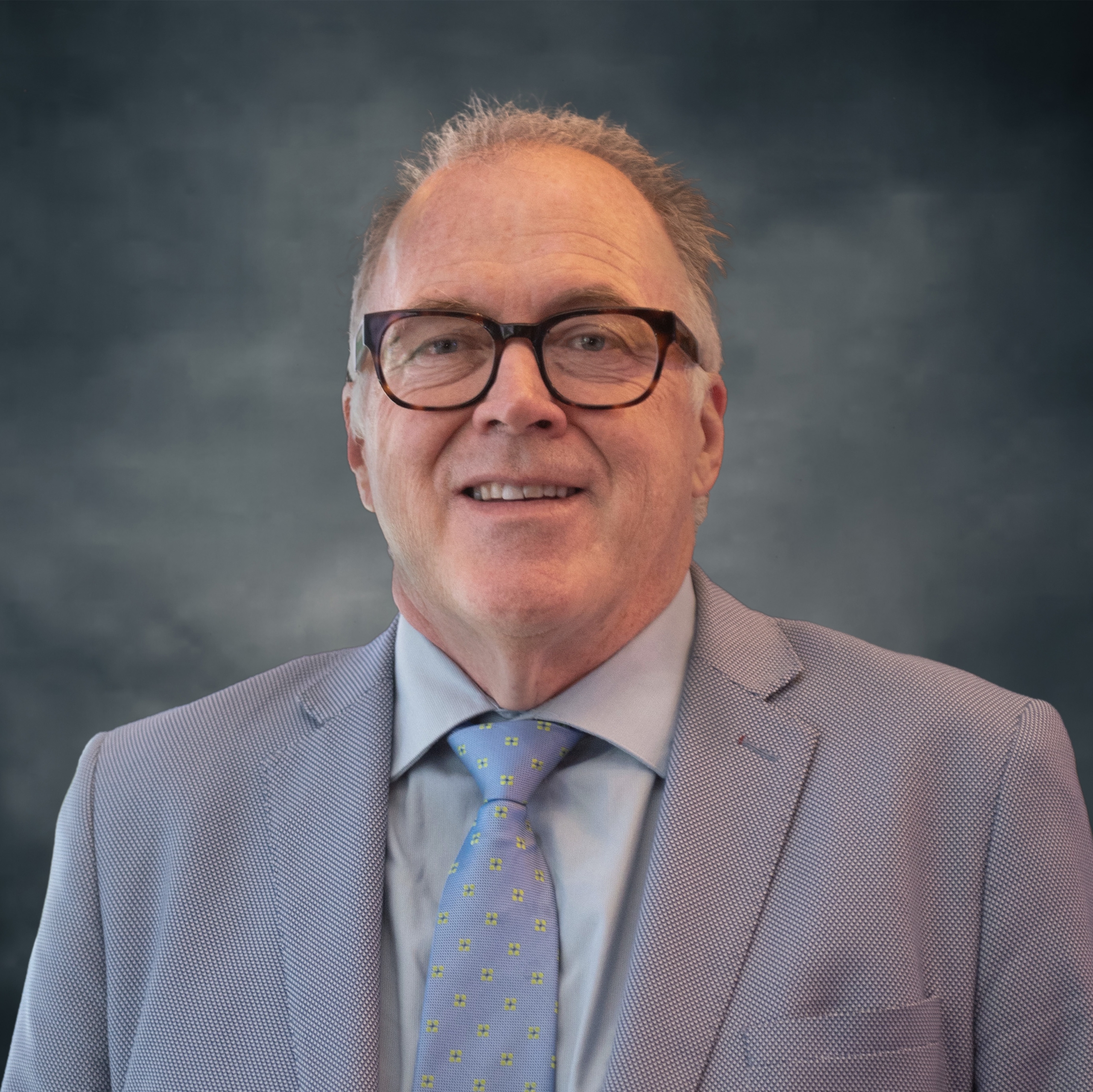
The delegation, which included Williams, Board Director Bob Sinner; Competitive Shipping Action Team Chair Jennifer Schneider; and Executive Director Randy Duckworth, continued its push on the FMC Reauthorization legislation to address unstable vessel schedules, booking inconsistencies and earliest return date (ERD) rules that raise costs and disrupt shipments.
Proposed amendment language submitted by the USIP Alliance expresses support for the FMC to collect relevant data and provide industry guidance, with fine-tuning of details expected in the next legislative session ahead of the bill’s expiry in November amid a heavy Congressional backlog.
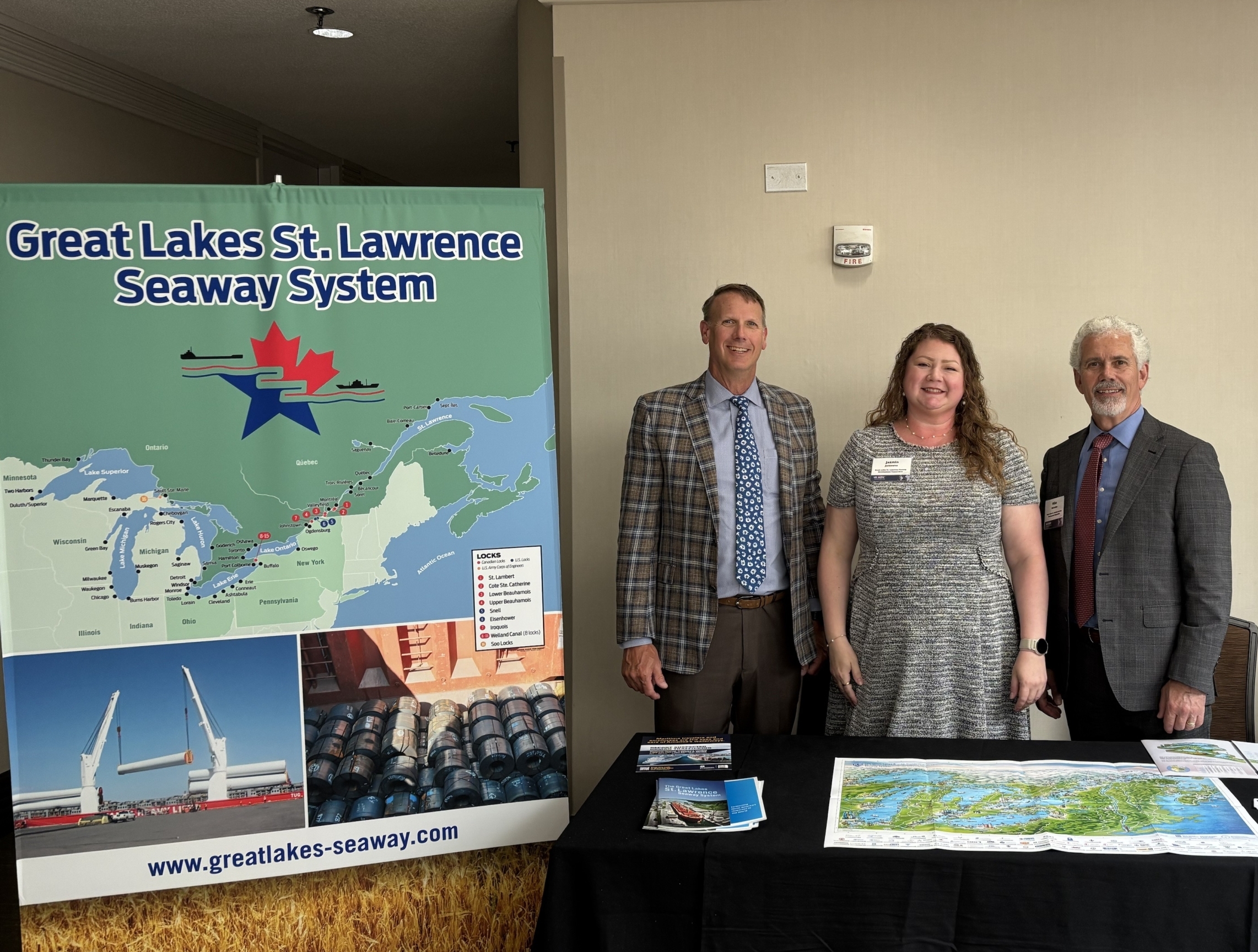
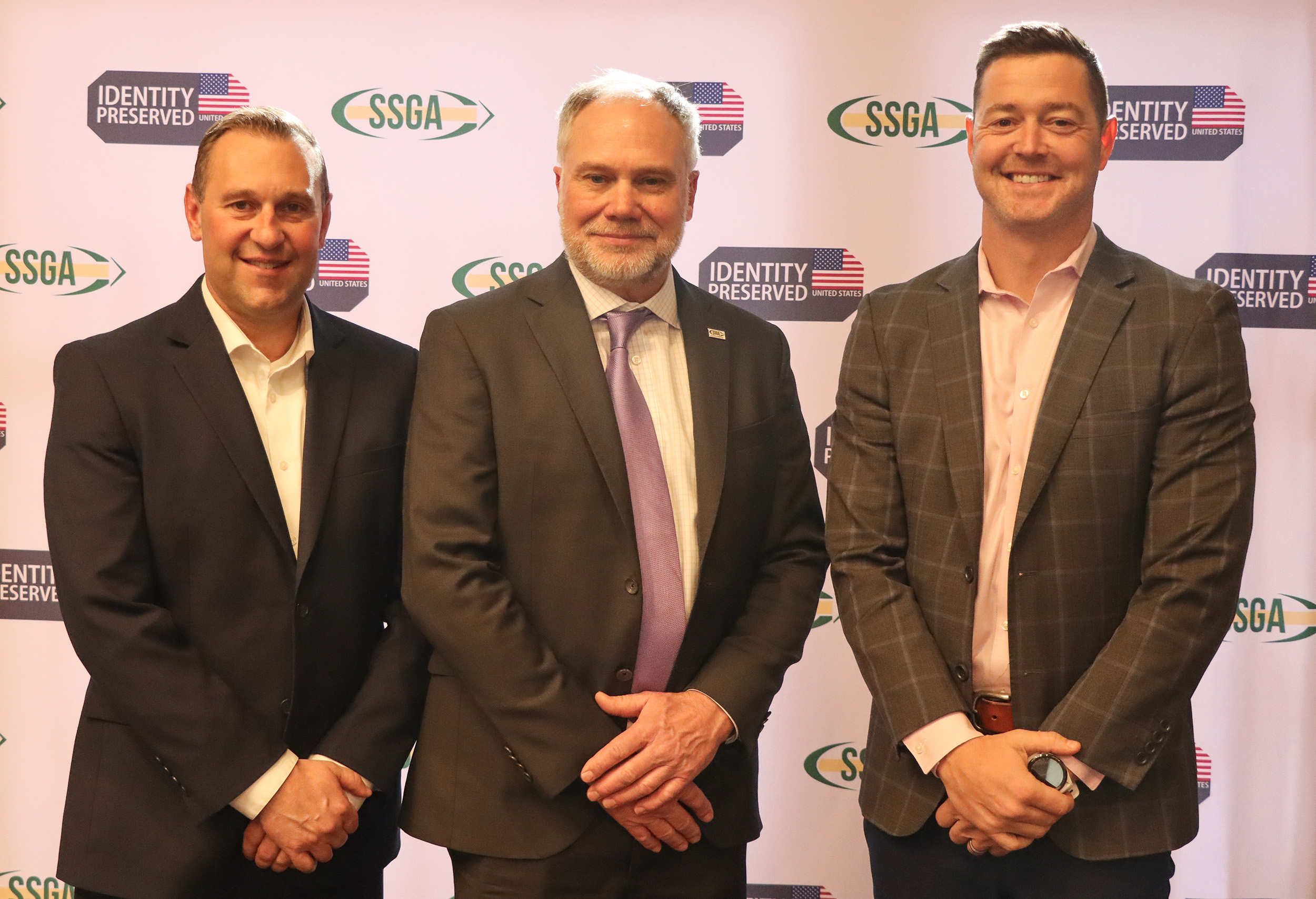
USIP Alliance Director of Transportation & Regulatory Affairs Gary Williams with Jazmine Jurkiewicz and Administrator Mike McCoshen, Great Lakes St. Lawrence Seaway Development Corporation.
Alliance representatives also briefed staff on a renewed effort by Sens. Elizabeth Warren and Mark Kelly, who sent a June 5 letter to U.S. Trade Representative Jamieson Greer urging implementation of Section 301 port fees on China‑built vessels, ship‑to‑shore cranes and container chassis.
“The USIP Alliance worked extensively on the Section 301 issue last year,” Williams said. “It was delayed but never canceled. This remains a major issue for U.S. exporters seeking a level playing field in maritime and logistics markets.”
The delegation also briefed Surface Transportation Board Chairman Patrick Fuchs about whether the rail industry can and should play a stronger role in supporting container transportation struggles such as ERDs.
Other visits were with the American Soybean Association, Great Lakes St. Lawrence Seaway Development Corporation, APHIS and FMC commissioners where the delegation stressed the importance of equipment availability, infrastructure, the farm bill, specialty crop insurance and more.
Beyond legislative and regulatory visits, USIP Alliance Manager of Strategic Programs Shane Frederick met USDA cooperators, contractors and FAS staff, including visiting attaches from around the world during the USAEDC Global Attaché Consultations and Policy Forum while in Washington,D.C. Frederick briefed them on the Alliance’s upcoming work and events, including the U.S. Identity Preserved International Summit in Tokyo in February 2027. He also participated in an India trade roundtable organized by the National Association of State Departments of Agriculture to learn about market challenges there and explore opportunities for coordination and collaboration with other trade groups.