
IP Crop Network: April 28 report
As spring and the 2026 growing season begins, so do the IP Crop Network reports from the U.S. Identity Preserved Alliance. This twice monthly report highlights growing conditions for identity preserved crops from different regions around the country. The reports include both first-hand accounts and data from the National Agricultural Statistics Service (NASS) weekly Crop Progress reports. We encourage growers to review our new agronomy resources webpage for additional data.
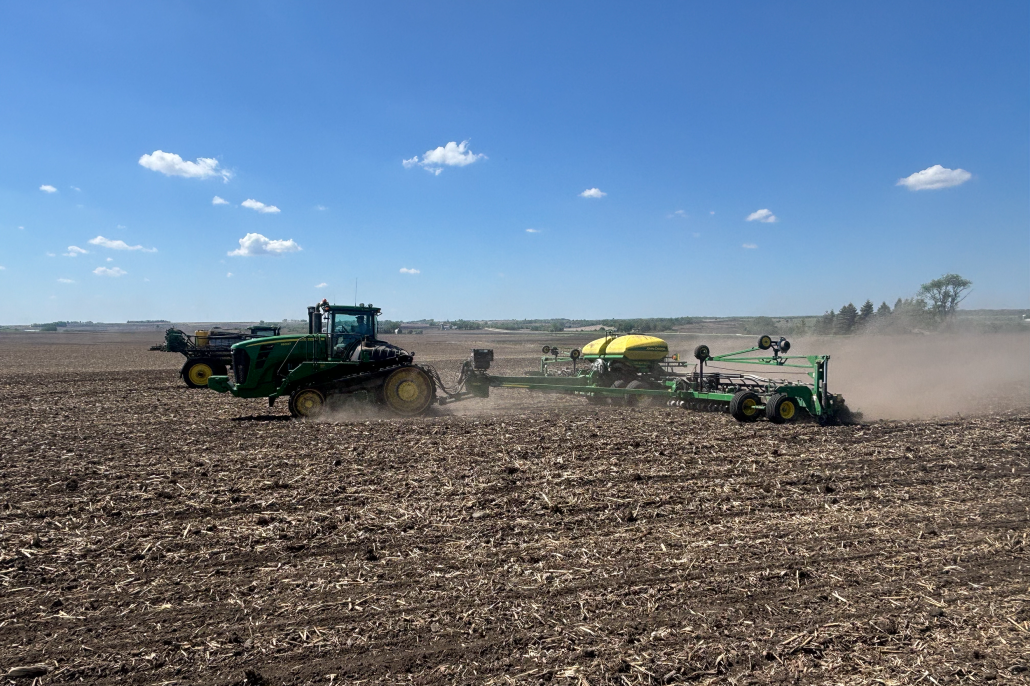
It’s been a cold, wet start to the spring across the Upper Midwest, and farmers are antsy to get into the field. Most everyone has adequate moisture for the crop to grow once planted, but the forecast hasn’t cooperated. There will likely be little planting over the next few days, but then the temperatures warm up, and soybean planting should be in full swing in the next 7-14 days.
In northwest Wisconsin, fields are largely too cold and damp to do any major field operations. A lot of fertilizer and manure are being spread and burn down herbicides going on, especially for cover cropped acreage. A few acres of soybeans are going in on lighter soils for thse who want to be first to plant. Field moisture levels are good, as there has been sufficient precipitation. As temperatures rise, a lot of planting activity will be happening soon. Rye cover crops are doing great and will suppress weeds well if they aren’t terminated too early. In the southern part of the state, soybean planting might get rolling in a few spots later this week – if the next round of rain in the forecast can be dodged. That said, a lot of areas picked up 5–7 inches over the past 10 days, so fields are still pretty saturated. In some places, it could easily be another 2–3 weeks before conditions are fit to really get after it. Once a stretch of warmer weather is seen and the ground starts to firm up, planting progress should pick up quickly. According to the April 27 NASS Crop Progress Report, Wisconsin has planted about 3% of soybeans so far this year, which is only a little below average.
Field conditions across Minnesota are variable right now. Central and southern areas have been warmer than normal in April, with temperatures about 1-4 degrees above average. Rainfall has been below normal, especially in central and southwestern Minnesota. These conditions have supported early soybean planting in those regions. Corn planting is estimated to be about 40% complete with some areas having more acreage planted. Soybean planting is just getting off to a good start before the rains, estimating about 15-20% completed. Rainfall over the last couple of days was very much welcomed across this growing area, especially in the western part of the state, but did slow down some farmers who had started planting. Corn emergence has not been seen as of Monday morning, but recent rains may see more corn emerge over the next few days. Looking ahead, the forecast calls for cooler temperatures and below-normal rainfall during the first week of May. For fields already planted, this is a good time to check emergence and continue scouting to ensure stands are developing well.
Planting progress across North Dakota remains very limited. Cool soil temperatures and recent wet conditions – especially in eastern regions – continue to delay fieldwork and keep most growers on hold. This aligns with the USDA National Agricultural Statistics Service crop progress report released April 27 which indicates a slow start to the planting season. Western parts of the state are closer to suitable conditions and have seen some early activity, but soybean planting is still expected to begin early to mid-May across most areas. Overall, growers are waiting for warmer and drier conditions before planting begins in earnest.
In southeast Michigan, it has been too wet and cold to start any major planting. Some early soybeans have been started here and there, along with other specialty crops, but overall farmers are waiting for warmer temperatures before planting begins. Last week (April 16), there was only half a day reported as suitable for planting, which increased to 2.1 as of April 27. In total, 3% of soybeans have been planted across the state, which is lower than average.


Leave a Reply
Want to join the discussion?Feel free to contribute!