
IP Crop Network: May 12 report
Planting progress has been slow and steady across the Upper Midwest. Cooler temperatures and rainfall have both slowed down planting progress, but it continues to move along. There have been a few late freezes that really threw a wrench into plans, but it should be warmer moving forward.
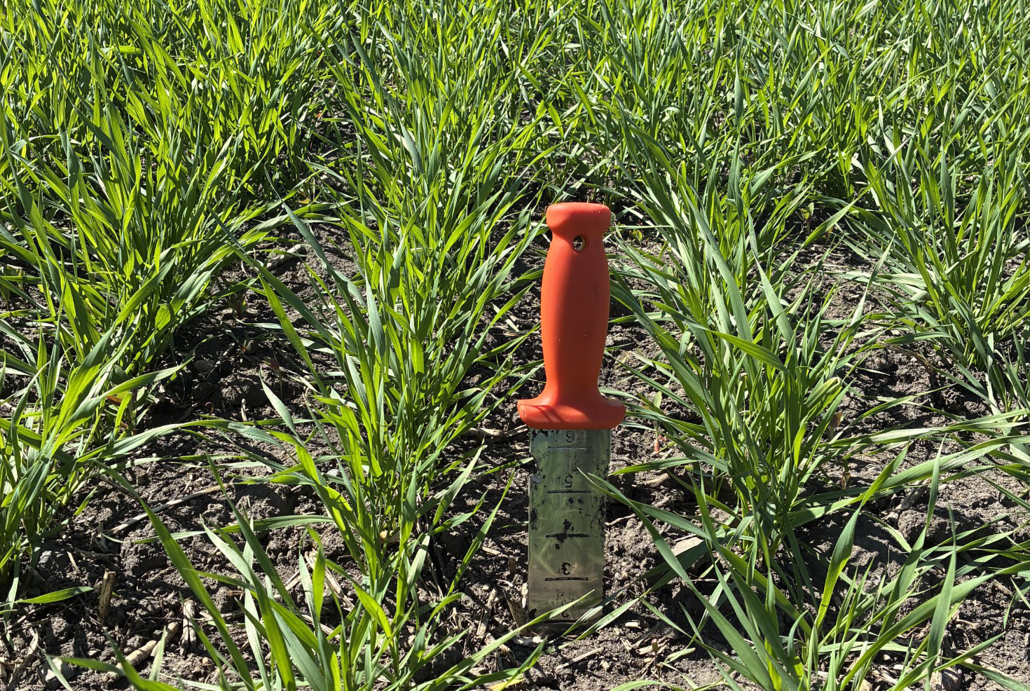
Minnesota soybean, corn and cereal crop planting is progressing across the state, although conditions and field activity vary significantly by region. According to the USDA National Agricultural Statistics Service (NASS) report, Minnesota has 51% of soybean acreage planted, which is a significant increase over the four-year average. Emergence is slow in many areas for both corn and 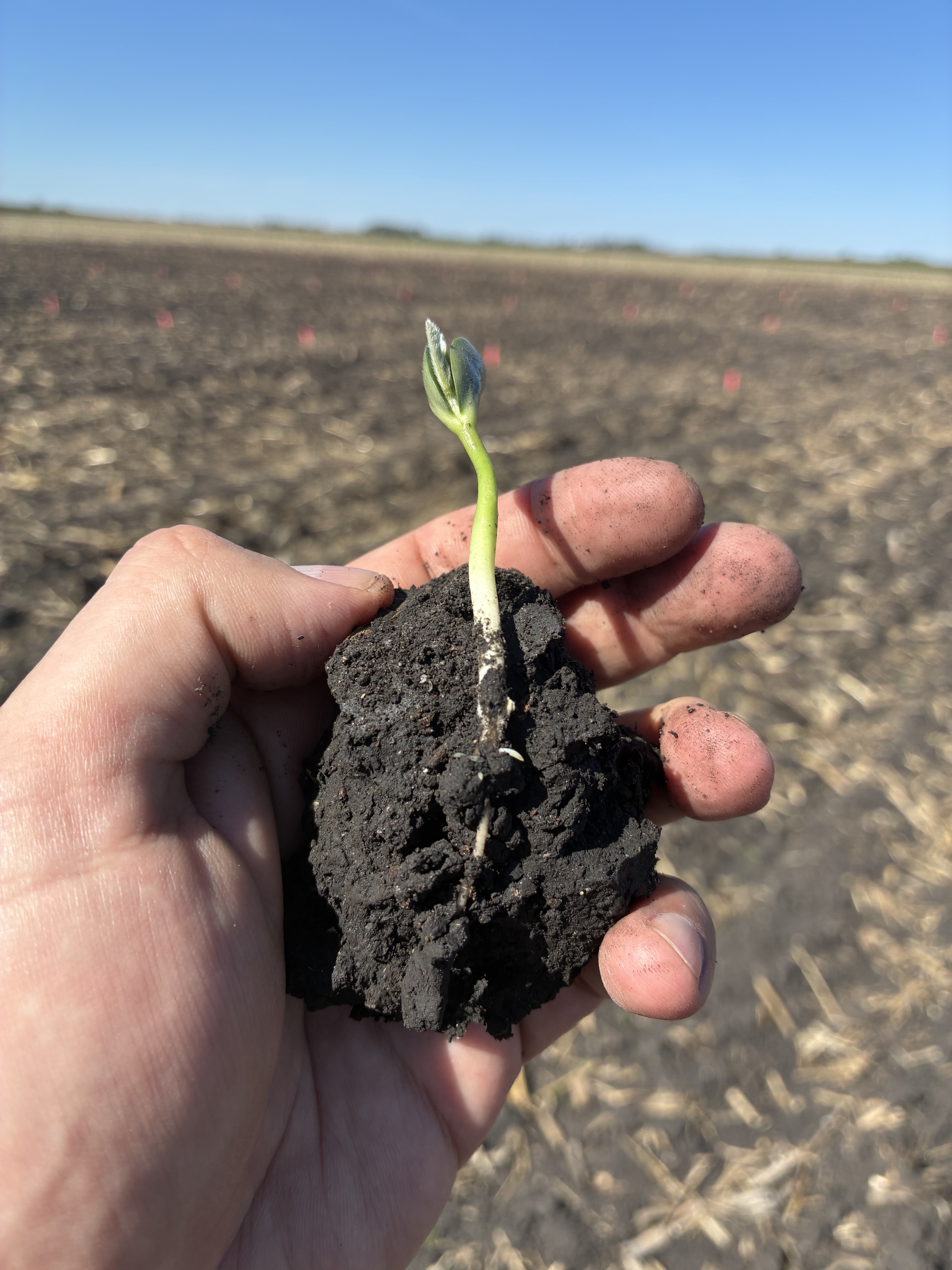 soybeans due to cool weather. Seeds are sprouting and appear healthy, so emergence should be soon with a few days of sunshine. Plants that have emerged look healthy. There was some light frost in a couple areas over the last week or so but have not confirmed any crop damage yet. Weed control is holding well in most areas. Cereal grain development has also shown large regional differences. In Crookston (northwest Minnesota), oats planted approximately 15 days ago had still not emerged due to cool conditions. Meanwhile, wheat planted in southeast Minnesota on April 20 had already reached Feekes growth stages 5–6 this week, demonstrating how variable weather conditions have been across Minnesota.
Northwest Wisconsin has only recently climbed above 50 degree soil temperatures for optimal planting. The soils are in ideal moisture for seed placement and farmers are running at full speed to take advantage of this window of opportunity. The earliest planted beans have only a small sprout as nothing has emerged with less than 100 GDD (heat units) since April 20. The tilled fields are showing dry topsoils as tillage caused more rapid soil moisture depletion. The cover crop fields have had slightly higher soil temps even though the temperatures have dipped below freezing 5 out of the last 7 nights. With continued warmer temperatures and ideal soil moisture, this crop should emerge nicely and set farmers up for a good stand for above average yields.
In Illinois, a week of low temperatures caused some potential soybean loss. 57% of soybeans have been planted, but one farmer said he would decide in a couple of days if it was necessary to replant about a third of his planted beans. While the beans may have been affected by the low temperatures, the early planted corn has emerged and looks good. About 30% of both crops have emerged.
Planting progress in Michigan has been slow across all crops. Excessive rainfall and persistently cool temperatures well into May have delayed field work across most of the state. The first week of May had a total of less than two days suitable for fieldwork. While some farmers have been able to plant in limited areas, cool temperatures are slowing crop emergence. Specialty soybeans are also affected by these delays. The weather forecast starting around May 15 and onward looks more encouraging for planting. Michigan farmers are well equipped and enthused to make significant progress in planting as soon as field conditions allow.
In northern South Dakota, several areas were wet coming into April, so many farmers there could not begin planting until midweek last week. Planting of soybeans and corn in the middle and southern counties of South Dakota is 60% or more complete, with many farmers having finished planting. Corn has emerged in the earlier-planted fields, and soybeans are just beginning to emerge. Statewide, corn is 53% planted, and soybeans are 34%.
This twice monthly report highlights growing conditions for identity preserved crops from different regions around the country. The reports include both first-hand accounts and data from the National Agricultural Statistics Service (NASS) weekly Crop Progress reports.


Leave a Reply
Want to join the discussion?Feel free to contribute!