
IP Crop Network: August 11 report
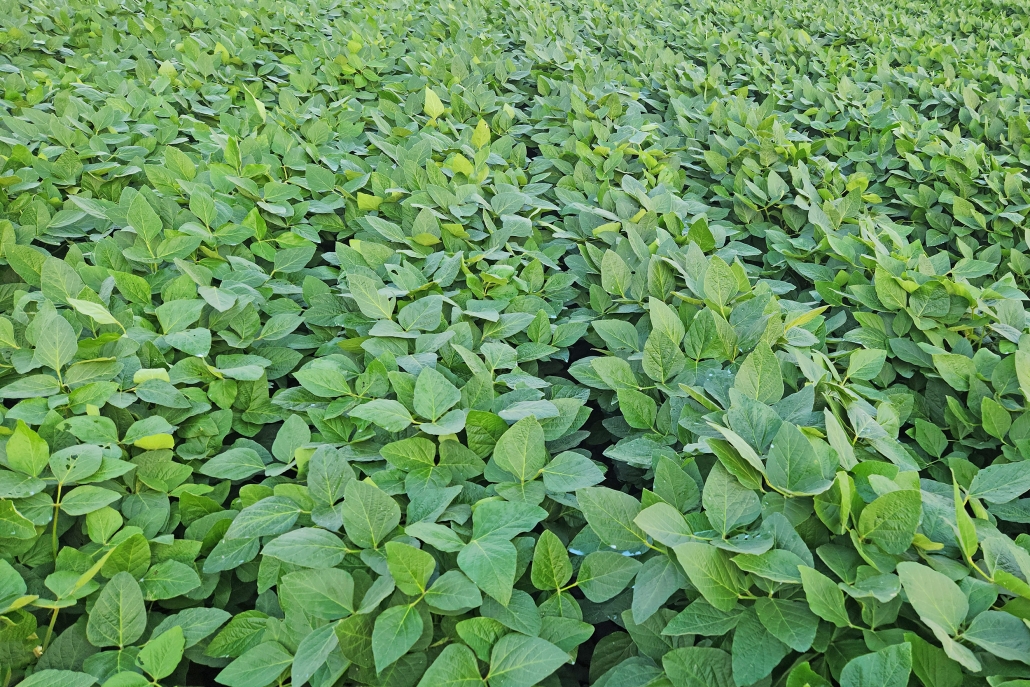
The soybean crop in the Upper Midwest is variable. There are many areas that are below normal for moisture and will need moisture over the next few weeks to maintain an average yield. There are also areas with abundant rainfall that will likely have above normal yields. The next three weeks will really tell the story for the soybean crop. Maturity does appear to be a little bit ahead of normal, so an earlier harvest for many areas is anticipated. Farmers are actively scouting the soybean fields right now looking for disease and insect pressure and so far, only minimal occurrences in many areas.
Michigan has been very dry the last 3-4 weeks, and the crops were starting to really show the lack of moisture. Some rain was received two days ago and it was much appreciated, although more could be used. Michigan has crossed the line where most soils are short as opposed to adequate. The soybeans are working on filling pods and have aborted some due to the lack of moisture, but overall, farmers are still hopeful for a close to average yield. The corn has mostly finished pollination, but some ears are still working on that, so the rain was welcome to help push them to the finish line.
Minnesota has also been very dry, leading to drought conditions throughout much of the state. The northern portion is in a severe drought, while central and southern seem to be faring slightly better. On average, most of the soil moisture across the state is still in the adequate percentage. Most of the corn and soybeans fall into the good condition range, and only yields will tell if the drought affected the crop in the long run.
Northwest Wisconsin continues to be extraordinarily dry with both knolls and dryland sands showing significant signs of damage to yields. There are pockets that seem to look great and other areas that are suffering. Southern and eastern parts of the state are in much better shape for soil moisture. Beans are podding and beginning to show seed development. Most soybeans are waist tall with either very little disease or insect pressure. Corn is fairing well as pollination is complete and many fields are between milk and dough stages. With the dry season Wisconsin farmers have had, nitrogen losses are less common. Small grain harvest is wrapping up and cover crops are being seeded.
This twice monthly report highlights growing conditions for identity preserved crops from different regions around the country. The reports include both firsthand accounts and data from the National Agricultural Statistics Service (NASS) weekly Crop Progress reports.


Leave a Reply
Want to join the discussion?Feel free to contribute!