
Section 301 maritime tariffs take effect: What shippers need to know
By Gary Williams, SSG Director of Transportation & Regulatory Affairs
As of Oct. 14, the U.S. Trade Representative’s (USTR) Section 301 tariffs and fees targeting Chinese-built and Chinese-owned vessels officially take effect, marking a pivotal shift in global maritime logistics and port operations.
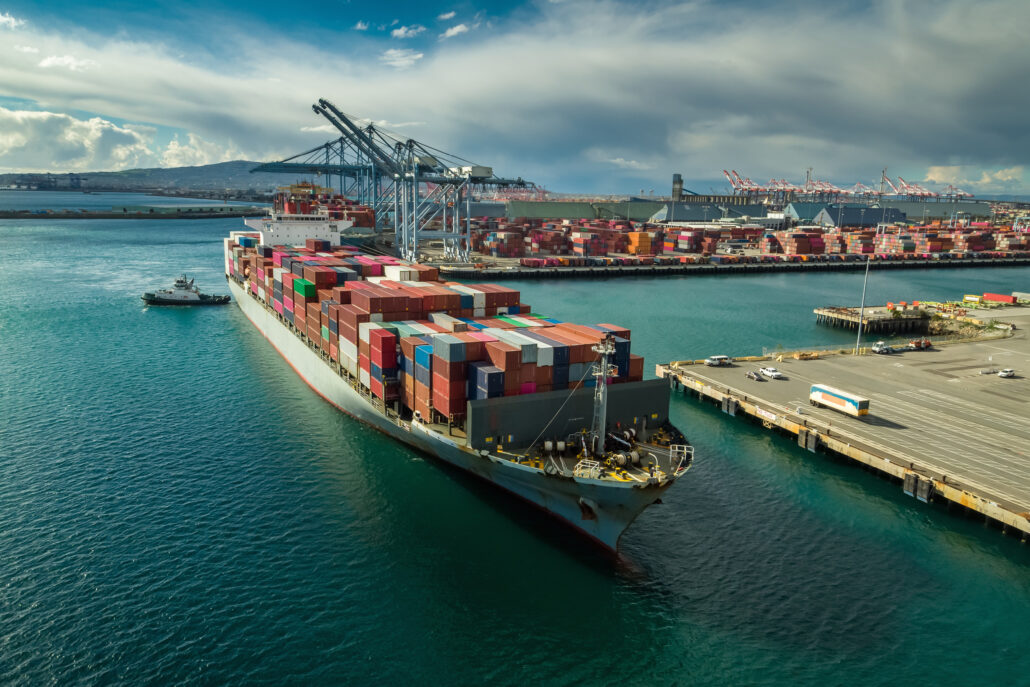
Under the new rules, China-built vessels will be tracked and assessed a service fee of $46 per ton upon their first U.S. port of entry, with a cap on how many times each vessel can be charged annually. According to USTR documentation, these measures are designed to strengthen U.S. shipbuilding and reduce reliance on Chinese maritime assets.
At the same time, the USTR confirmed that 100 percent tariffs will remain in place on Chinese ship-to-shore cranes, intermodal chassis, and certain cargo-handling equipment, while removing planned duties on shipping containers — a significant outcome for importers and carriers alike. The tariffs on cranes and handling machinery will take effect on Nov. 9.
Most major ocean carriers have indicated their capability to shift fleet deployment strategies to avoid routing Chinese-built ships into U.S. ports, minimizing tariff exposure. Meanwhile, COSCO and OOCL — the two main China-owned container lines — have pledged not to pass the new fees on to customers.
During the ongoing government funding gap, federal agencies have indicated that tariff enforcement and vessel tracking will continue uninterrupted. China, for its part, has implemented reciprocal port fees on U.S.-built and U.S.-owned vessels that mirror the American structure and rates as they rise over time.
Whether or not fees are incurred and passed along at some point will likely never be well known. Shippers do not see the underlying rail rates, ocean carrier allocations, or voyage data that define total freight costs, complicating forecasting and competitiveness. Steam ship lines will set their rates at an equilibrium price that assumes cost off set by rate and volume – same as always. The pricing matrix assures that that shippers and importers would not have any clarity as to the actual math that has gone into a rate.
For SSGA member shippers, the removal of containers from the tariff list represents a notable win. The 100 percent tariff on cranes and chassis remains challenging, especially given the blend of privately owned and steamship-line-operated assets in circulation — but the collective advocacy of U.S. logistics, transportation and agricultural groups helped shape the final outcome into a much more manageable likely outcome than what was imagined when the proposal was first made.
The collaboration of SSGA among other trade associations and exporters, including the American Soybean Association, U.S. Soybean Export Council, Soybean Transportation Coalition, National Grain and Feed Association and the National Retail Federation — played a vital role in ensuring practical input was considered.
For additional details and official documentation, see the USTR October 10, 2025, notice and Section 301 maritime actions.


Leave a Reply
Want to join the discussion?Feel free to contribute!