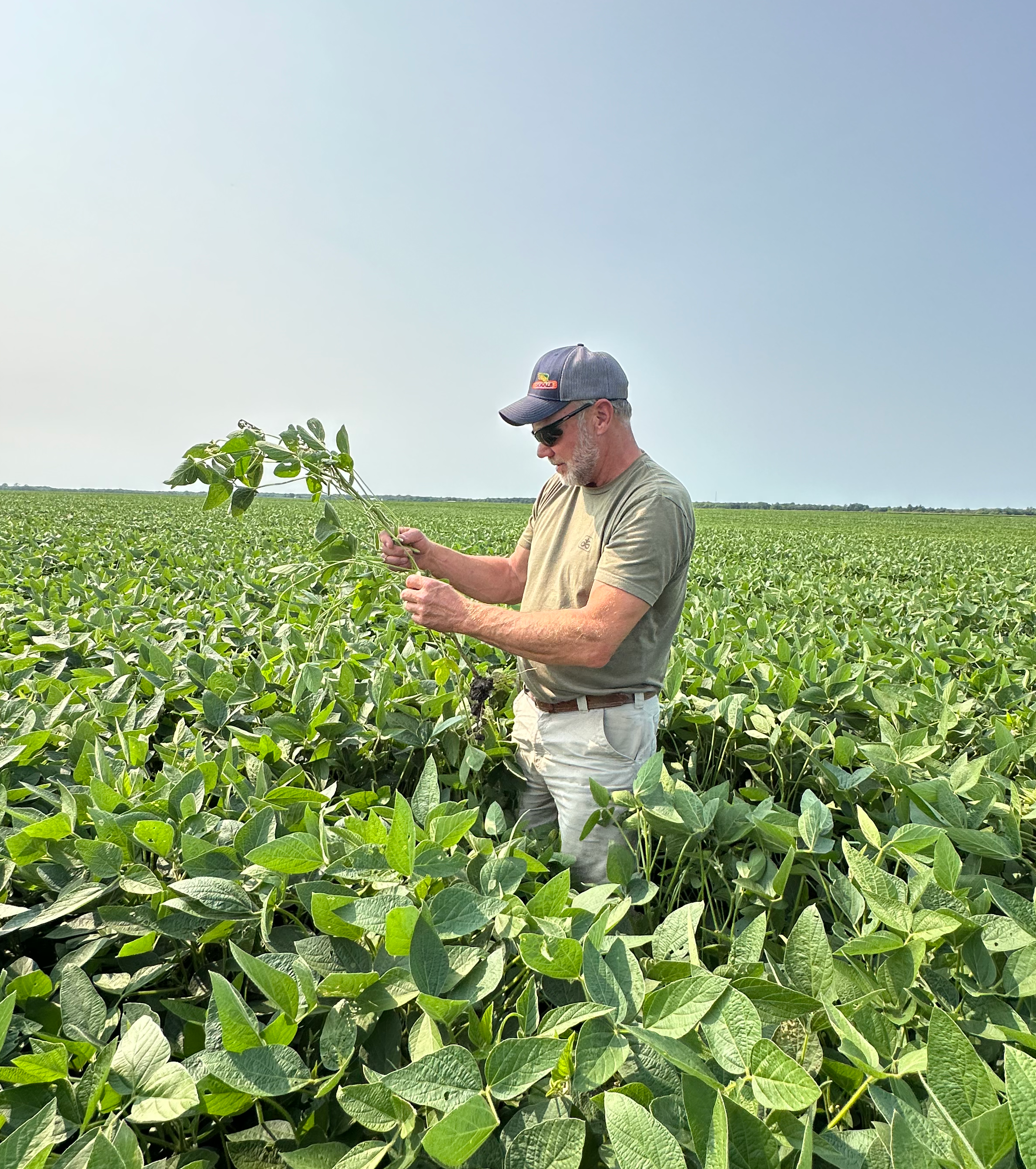
Member Profile: Craig Tomera

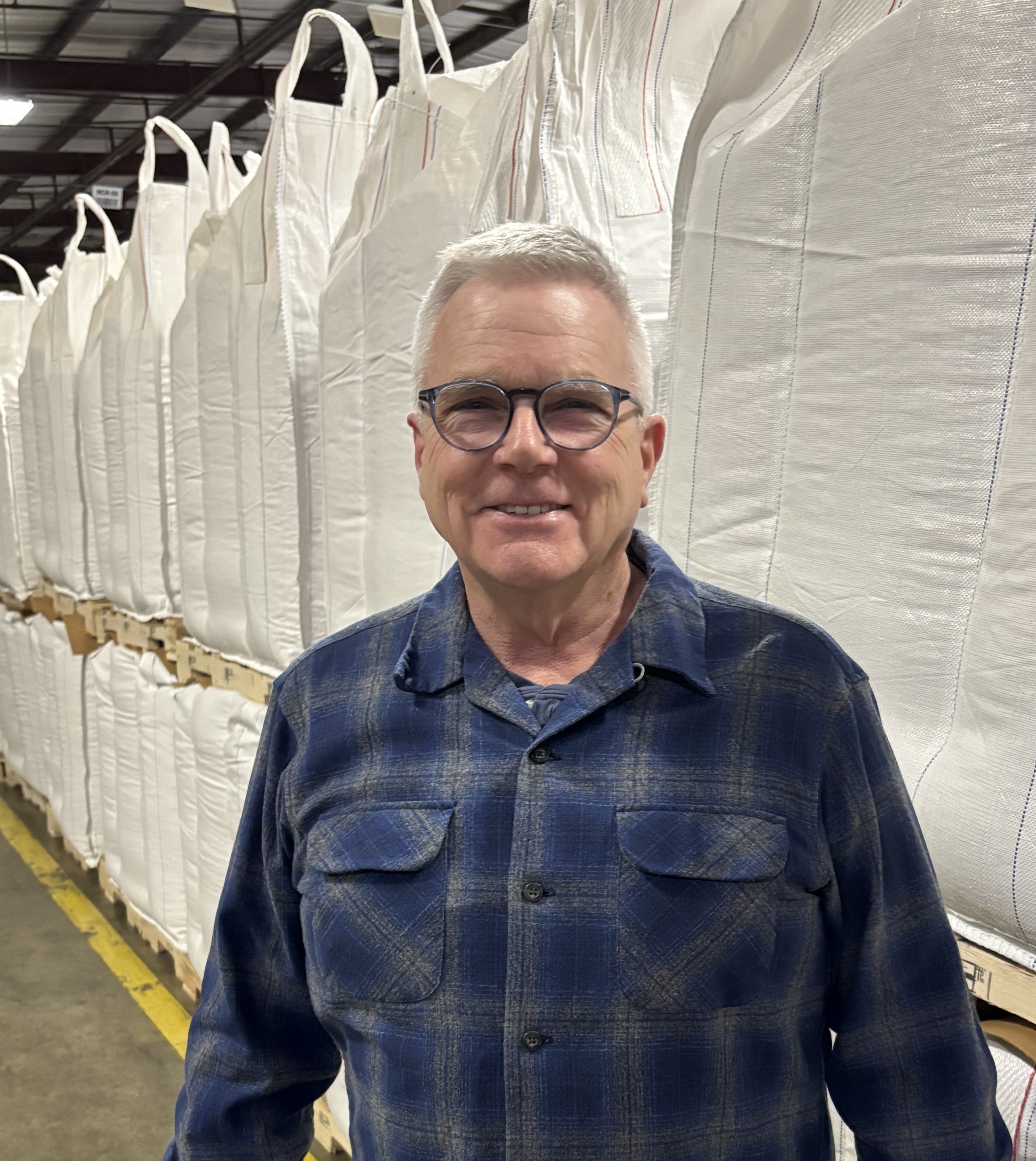
Chicago native Craig Tomera has worked in agriculture for 50 years despite not growing up in the traditional “agriculture world.” He quickly found his passion for the outdoors through working in his family’s garden and working for a small vegetable farmer near his home.  

“I always liked being outside,” Tomera said. “Even in high school and part of my undergraduate studies, I worked summer jobs indoors, but I knew that wasn’t what I wanted long term.” 

This interest led him to Illinois State University, where he double majored in agricultural business and agronomy. After graduation, Tomera spent 10 years in the fertilizer industry and moved into crop consulting.  

Still eager for information, Tomera then went back to the University of Illinois for a master’s degree in agronomy. He then took a leap and moved to Jackson, Minnesota, and for six years worked for Pioneer Seed as a production agronomist. Another position opened for him in Olivia, Minnesota, with what was once known as Precision Soya, now Remington Seed. This is where Tomera entered the world of identity preserved (IP) crops.  

Today, he is the IP crop specialist at Grain Millers, a role he has held since 2011. He primarily works with food-grade soybeans, corn and lentils. Covering southern Minnesota, eastern South Dakota, northern Iowa and western Wisconsin, he has built deep expertise and strong relationships in food-grade production and marketing.  

“With food-grade production, you know where that grain is going and how it’s being used,” Tomera said. “It’s not just a grain anymore, it’s a food ingredient.” 

This perspective continues to motivate him to this day. Tomera enjoys connecting with farmers and educating them on producing food-grade crops and finding markets where the grain can be used.  

“I am kind of an information hound,” Tomera said. “I like to keep learning and seeing new things.”  

This is Tomera’s first year serving as chair of the U.S. Identity Preserved Alliance’s IP Marketing Action Team but has previously served on both the Marketing Action team and a couple years on the Agronomy Action Team. 

“It is really nice to have an organization of like-minded businesses and associations that work hard to promote our business by having meetings and trips inviting foreign companies to the United States to see our business and how it can help them.” 

Tomera is confident that the future of IP will continue to grow as education evolves, and customers grow in eagerness of product traceability. 

U.S. Identity Preserved Alliance’s Legislative Team visits D.C.

The United States Identity Preserved Alliance Legislative Team carried a strong message to Washington, D.C., in early February, focusing on export logistics, regulatory reform and long-term support for identity preserved markets. 

A primary focus of the trip was the team’s decision, in consultation with the Competitive Shipping Action Team, to assume a leadership role by advancing a proposal to Sen. John Thune’s (S.D.) office, with the goal of securing bipartisan co-sponsorship of an amendment to the Federal Maritime Commission reauthorization legislation currently before the Senate Commerce, Science and Transportation Committee. 

Throughout meetings with House and Senate offices, the team highlighted a proposed amendment aimed at addressing costly volatility in earliest return dates (ERDs) and related export logistics disruptions. Staff for Reps. Mary Miller (Ill.) and Brad Finstad (Minn.) and Sens. Kevin Cramer and John Hoeven (N.D.), Amy Klobuchar (Minn.), and Thune were briefed on how frequent earliest return date (ERD) changes undermine containerized exports and drive-up costs for shippers, particularly identity preserved and specialty grain exporters. The team emphasized that while the Ocean Shipping Reform Act improved rules on detention and demurrage, it did not fully capture ERD-related abuses and needs a statutory fix. 

Multiple offices requested a copy of the U.S. Identity Preserved Alliance’s letter to Sen. Thune outlining amendment language, and several suggested additional outreach to Commerce, Transportation and Infrastructure Committee members and other key senators and representatives to build bipartisan support. 

 A second core theme of the visit was inland intermodal container availability and the need for a sustainable public–private solution to reposition containers into key producing regions. The legislative team described ongoing work with USDA and industry partners on a potential partnership model to improve container flows for exporters in the Midwest and other interior origins. Congressional offices were briefed on how chronic equipment shortages and unreliable inland ramps are undermining U.S. export competitiveness and threatening premium identity preserved supply chains. 

USDA’s High-Quality Specialty Grains–linked phytosanitary program was highlighted as a proof point: thousands of container inspections have been completed through the U.S. Identity Preserved Alliance-administered program without any reported foreign buyer issues. The team also reiterated the need to extend that success to additional specialty crops, including peas and pulses. 

The trip included a substantive series of discussions at the Federal Maritime Commission, where the delegation met with newly confirmed Chairperson Laura Dibella, along with Commissioners Max Vekich, Dan Maffei and Rebecca Dye. The team outlined the ongoing concerns about unreasonable practices tied to booking procedures and shifting ERD dates. 

Visits with the American Soybean Association, National Grain and Feed Association, and North American Export Grain Association underscored organizations’ mutual interests and continuing to foster an open collaborative effort and open dialogue between these organizations and rounded out the itinerary. 

Across meetings with Congress, USDA and industry groups, the team underscored the organization’s rebranding from Specialty Soya and Grains Alliance to the U.S. Identity Preserved Alliance and its broader mission. 

Member Profile: Scott Dorr brings Asian market experience to SSGA, ZFS

With decades of experience both working and living in Asian countries such as China and Japan, Scott Dorr was the perfect candidate to take over as the new international sales and marketing manager for the Michigan-based Zeeland Farm Services (ZFS) earlier in 2025. Even without experience in the world of soybeans, Dorr’s understanding of the Asian culture, its quality preferences and emphasis on relationships put him high on the list as the eventual replacement for recently retired SSGA Director Darwin Rader. 

“In December I took over Darwin’s position and we’ve been transitioning ever since, but I won’t let him retire fully,” Dorr said, jokingly. “This is my first venture with soybeans and Darwin knows so much about that industry, so he’s been a great help.” 

A native of Iowa, Dorr majored in Asian studies and international marketing at the University of Iowa before leaving the country to live and study in Japan for the next three years. He then returned back home where he spent the next few decades working with Asian countries in the dairy ingredient and animal protein industry. But after spending several months of the year on the road, Dorr decided it was time to spend more time with his family in their now home of Colorado. Taking advantage of the local access to antlers, Scott and his wife started their own pet products company selling hundreds of thousands of antler chews across the country each year. Working with farmers and industry in Nepal, they eventually began importing yak chews to their lineup of products as well.  

“We ran that business as sort of a second-chance company, hiring a lot of gang members who were trying to change their lives and purchasing antlers off Indian reservations and then supporting small farmers in Nepal with the yak chews,” Dorr said.  

With his kids out of the house and in college, Dorr’s interest returned to getting back on the road and back working in Asian countries, which is what brought him to his current role with ZFS. Founded by the Meeuwsen family in 1950, ZFS is a multigenerational family-owned and operated business working in the agricultural commodities and transportation industry.  

“It’s a very dynamic company with over 600 employees,” Dorr said, “and I’m very impressed to see a company get to its third and fourth generation and be as well run as it is.” 

Dorr’s focus with ZFS is managing their non-GMO soybean line and growing their market in that industry, using his experience to build relationships with customers in the Asian markets, who are the primary purchasers of non-GMO soybeans.   

“It’s especially important in countries like Japan that you maintain the highest quality possible and that you’re as reliable of a supplier as you can be,” Dorr said. “If you can sell to Japan with their high standards, you can sell to anywhere in the world.” 

But it’s not just Japan that has strict quality needs and regulations. Dorr notes that European markets have their own set of unique regulations that challenges American non-GMO producers to focus on sustainability and supporting the environment.  

“With the deforestation going on in Brazil, Europe is putting a lot of regulations in place to have an impact on that, but those same regulations apply to the U.S.as well, even though we haven’t seen deforestation in years,” he said. “So that means a lot more documentation, auditing and certification requirements for us to export into the European market.” 

And just like his predecessor, Dorr says he is looking forward to working alongside SSGA to make more connections to break into new markets.

“I know Darwin was very involved with SSGA and thought very highly of the organization,” he said, “so I know how important they are, and I look forward to working with them and their staff down the road.” 

SSGA tabs Severs as chair; reelects board members

The Specialty Soya and Grains Alliance (SSGA) reelected three board of directors and elected officers Tuesday during its annual meeting in Minneapolis. Jordan Atchison of Puris, Eric Kresin of Scoular and Bob Sinner of SB&B Foods, Inc. were reelected. 

Bryan Severs, an Illinois farmer representing the Illinois Soybean Association, was tabbed to chair SSGA.  

“I really appreciate everybody’s vote and confidence to do the job,” Severs said. “I hope I can help further advance the goals of SSGA.” 

Severs, who raises soybeans, corn and cattle in Vermillion County, is a third-generation producer who joined SSGA’s board in 2024 and was active in the hiring search that brought Executive Director Randy Duckworth into the fold.  

“I’m looking forward to leading this organization into the future,” Severs said. “We’re excited to work with our international buyers and tackle transportation issues alongside our new executive director and new board members.” 

Jake Noll of Richland IFC was elected as SSGA vice-chair, while Atchison was elected as the organization’s secretary/treasurer. 

“I’m honored to be elected as vice chair of SSGA,” said Noll. “I look forward to working with the board and advancing SSGA’s mission and priorities over the next year.” 

Atchison said he’s excited to keep SSGA moving in a positive direction. 

“I have enjoyed the first six months working with the SSGA board and staff and look forward to an enhanced role within the organization,” said Atchison, who was elected to the SSGA board in summer 2024 to fill a vacancy. “I feel honored to be nominated and elected by my fellow board members as the secretary/treasurer.” 

SSGA also honored outgoing Director Darwin Rader, who retired from his role at Zeeland Farm Services at the end of 2024.  

“This organization has a great group of people passionate about this business so I know they will all do well under Randy’s leadership,” Rader said. “And like every great organization, they’re only great if they have great people, which SSGA does.” 

Curt Petrich of HC International was elected by the board to finish the remaining year of Rader’s term. Petrich previously served as SSGA chair from 2019-20. 

SSGA’s other board directors include Chuck Kunisch of Michigan Agricultural Commodities and Gail Donkers representing the Minnesota Soybean Research & Promotion Council.  

SSGA also honored four individuals with the fifth annual Alliance Honors, including past Executive Director Eric Wenberg, who retired from SSGA in September 2024 after five years leading the organization.  

The annual meeting will be followed by SSGA’s annual transportation event, Transportation Go! on Wednesday and Thursday in Minneapolis.

Randy Duckworth steps into new role as SSGA executive director

The new year has rolled in with new energy and fresh leadership for the Specialty Soya and Grains Alliance (SSGA) as Randy Duckworth took the helm as executive director Jan. 6.

“My immediate focus will be on listening to our members, learning from their experiences and expanding our outreach to both current and potential stakeholders,” Duckworth said.

While Duckworth is ready to embrace the opportunities on the road ahead, his wealth of knowledge paved his journey to this point.

Duckworth has served as a representative to the International Agri-Food Network and the Feed the Future Innovation Lab for Legume Systems Research at Michigan State University. He previously served on the United Nations Food and Agriculture Organization World Pulses Day oversight committee, is a former member of the USDA Food Aid Consultative Group and former chair of Protected Harvest – a group that promotes and certifies agriculture production and marketing practices.

“We look forward to Randy’s leadership as we continue to realize new opportunities for SSGA members and building creative solutions to our industry challenges,” SSGA Chair Bob Sinner said.

Since graduating from the Seattle University School of Law, Duckworth has specialized in agricultural association management, international food marketing and food assistance programs. He has overseen marketing, promotion and research activities in over 75 countries and specializes in linking producers, processors, exporters and buyers or food manufacturers. He most recently served as CEO of the Global Pulse Federation based in Dubai.

“I am deeply honored to join SSGA as executive director and thrilled to collaborate with Chairman Bob Sinner and the entire board to build upon their impressive legacy of success,” Duckworth said.

With an illustrious career in the agriculture production sector already under his belt, he’s ready to hit the ground running with SSGA.

“I’m committed to pursuing innovative funding opportunities and developing strategic initiatives that will further strengthen and advance the specialty soya and grains industry,” Duckworth said.

As executive director, his duties include overseeing day-to-day operations, providing strategic direction and leadership to advance SSGA’s mission and vision, and cultivating relationships with SSGA members and industry partners. Among his first responsibilities will be finalizing plans for the Identity Preserved International Summit and Transportation Go!.

Duckworth succeeds Eric Wenberg, who retired in September 2024 from SSGA, also known as the U.S. Identity Preserved Alliance, after more than five years in his role.

Member Profile: Bryan Severs

Illinois farmer brings farm-fresh perspective to SSGA

On paper, Bryan Severs seems like your typical third-generation Illinois farmer, raising corn and soybeans in the heart of the Land of Lincoln alongside his sons Michael and Nicholas. But dig deeper behind that hearty southern accent and you’ll find a global thinker and leader.

Severs, a grower of food-grade non-GMO soybeans, joined the Specialty Soya and Grains Alliance (SSGA) Board of Directors in February 2024 after hosting a group of foreign buyers on his farm as part of SSGA’s Fork to Farm Day.

“I hosted the tour through my involvement with the Illinois Soybean Association (ISA) and during that event I saw the passion that the SSGA staff and board members had, and it made me want to be a part of that group as well,” said Severs, who currently serves on ISA as soybean production chairman.

Sitting on a board made up mostly of specialty grains buyers and sellers, Severs hopes his experience as a grower can provide a unique perspective to the SSGA team.

“As it pertains to identity preservation (IP), I can provide a first-hand perspective to those end users about what I’m doing to maintain the quality of the crop that they’re purchasing,” said Severs. “I believe that different way of thinking is of value to the SSGA board and our members.”

But Severs doesn’t just value the quality and cleanliness of his soybeans, he cares deeply about the soil and the environment that they’re grown in. He notes that he’s adopted practices such as cover crops and strip-tilling so that his grandkids and their kids have the best opportunity to farm the same soil.

“I want to do the right thing and do my part to keep the dirt around for the next couple of generations,” said Severs. “Conservation also plays a big role in how we sell to our buyers. They like to know that we’re doing our best to reduce our carbon footprint, to use less fuel and that our farming practices are sustainable.”

Having only served on the SSGA board of directors for less than a year, Severs has had a lot on his plate already, including taking part in a trade mission in August to the Philippines and being involved in the search of their new Executive Director, Randy Duckworth, who begins in January. In the year ahead, Severs, who currently serves as SSGA vice chair, is excited to contribute to the organization’s programs.

“U.S. Identity Preserved really sparks my interest, trying to take the commodity all the way from me as a farmer to the buyers and having that traceability throughout the supply chain so that they feel safe about how their food was handled,” said Severs. “Transportation is a key project as well. We need to try to find a way to make the Great Lakes work for us because that’s a major port for us here in east-central Illinois.”

Member Profile: Eric Kresin

New SSGA board member aims to connect farmer’s story with end users 

From an Illinois farm kid to a key player in international trading at one of the country’s largest companies, Eric Kresin appreciates the complexities of the supply chain process, making him a perfect fit to serve on the Specialty Soya and Grains Alliance (SSGA) board of directors.  

“Most grain trading is transactional in nature, whereas the IP industry is more relationship-driven. It’s about trust and fulfilling commitments to the farmer and end-user,” said Kresin, whose first meeting as a SSGA director occurred in September. 

Kresin grew up on a southeastern Illinois farm that raised corn and soybeans. He studied ag business and ag production in college before launching his career at Consolidated Grain and Barge, where he spent the next two decades in various roles, most notably working with international trade of identity preserved (IP) grains to countries such as Japan, Korea and Taiwan. Just two years ago, Eric and his family packed up and headed west for Kansas City, Kansas where he now heads up the IP grain and organic trade teams as general manager of specialty grains at Scoular. 

“One of the things I am very passionate about is continuing to promote IP grains, whether that’s corn, soybeans or other, just trying to find different markets for our SSGA members but also for the farm community as a whole,” said Kresin. “When prices are low and markets are tough, being able to find a different market for the farmers and letting them earn more dollars per acre is important.’ 

Kresin feels one of the most unique aspects of the IP industry is the personal connections that are made between the end users and the farmers who grow the crops.  

“When I think about the success of SSGA or its member companies, it’s based on being able to tell our story to the end users who want to buy the product. There’s a personal connection all the way through the supply chain,” said Kresin. “I can go to Japan and Korea and see the product U.S. farmers produced on store shelves and am honored to know we had a role in handling that product to make sure its identity is preserved throughout that process.” 

One of his big goals while serving on SSGA’s board is helping develop new markets and ensure they see the value that the IP commodity can bring to their food supply. He’s also looking forward to working with its next executive director, Randy Duckworth, following Eric Wenberg’s retirement in September 2024.  

“It’ll be an exciting time with a new director on the horizon and how we as a board can work with that individual to develop a new approach to SSGA,” Kresin said. “I’m very excited for the future and grateful for the opportunity to be a part of this great organization.” 

SSGA appoints new executive director

Randy Duckworth brings global perspective  

With global ties to the agriculture production sector and extensive involvement in connecting producers, processors and buyers, longtime association executive Randy Duckworth has been named the new executive director of the Specialty Soya and Grains Alliance. 

“Randy brings a wealth of knowledge and experience in association work, particularly as it relates to the global food industry,” SSGA Chair Bob Sinner said. “We look forward to Randy’s leadership as we continue to realize new opportunities for SSGA members and building creative solutions to our industry challenges.” 

Since graduating from the Seattle University School of Law, Duckworth has specialized in agricultural association management, international food marketing and food assistance programs. He has overseen marketing, promotion and research activities in over 75 countries and specializes in linking producers, processors, exporters and buyers or food manufacturers. He most recently served as CEO of the Global Pulse Federation based in Dubai.  

“I am deeply honored to join SSGA as executive director and thrilled to collaborate with Chairman Bob Sinner and the entire board to build upon their impressive legacy of success,” Duckworth said. “My immediate focus will be on listening to our members, learning from their experiences and expanding our outreach to both current and potential stakeholders.” 

Duckworth is a representative to the International Agri-Food Network and the Feed the Future Innovation Lab for Legume Systems Research at Michigan State University. He previously served on the United Nations Food and Agriculture Organization World Pulses Day oversight committee, is a former member of the USDA Food Aid Consultative Group and former chair of Protected Harvest – a group that promotes and certifies agriculture production and marketing practices. 

“I’m committed to pursuing innovative funding opportunities and developing strategic initiatives that will further strengthen and advance the specialty soya and grains industry,” Duckworth said. “Together, we’ll work to enhance SSGA’s role as a driving force for growth, sustainability and excellence in the identity preserved agricultural sector.” 

Duckworth’s tenure will begin Jan. 6, 2025. As executive director, his duties will include overseeing day-to-day operations, providing strategic direction and leadership to advance SSGA’s mission and vision, and cultivating relationships with SSGA members and industry partners. Among his first responsibilities will be finalizing plans for the Identity Preserved International Summit and Transportation Go!. 

Duckworth succeeds Eric Wenberg, who retired from SSGA, also known as the U.S. Identity Preserved Alliance, on Sept. 30 after serving in that role for the organization’s first 5 1/2 years of existence. 

SSGA joins USDA trade mission to Vietnam

SSGA, the U.S. Identity Preserved Alliance, joined a group of 23 industry associations, 36 companies and nine state departments of agriculture as the USDA Agribusiness Trade Mission to Vietnam began on Monday in Ho Chi Minh City.

Manager of Strategic Programs Shane Frederick and IP Technical Advisor Hoa Huynh are representing SSGA this week, promoting SSGA member businesses and the U.S. Identity Preserved assurance program and label, during the event, which moves north to Hanoi on Wednesday.

Frederick and Huynh are meeting with food manufacturers and buyers, including a lunch with Vinamilk on Monday. Vinamilk was a gracious host two years ago when SSGA held an international launch of the U.S. Identity Preserved brand in Ho Chi Minh City. That event prompted Vinamilk’s research and development to begin inquiring about and sampling U.S. Identity Preserved soybeans for its products.

Vietnam is the United States’ 10th-largest export market, and the U.S. is Vietnam’s third-largest supplier of agricultural products. According to speakers at the trade mission’s plenary session, Vietnamese consumers are often on the lookout for high-quality, premium products, including those of U.S. origin or with U.S. ingredients, despite higher prices for those American products due to tariffs and other factors. Food safety and hygiene are growing concerns for consumers.

Vietnam and the rest of Southeast Asia holds immense opportunity for U.S. exporters, with rising consumer incomes, growing middle class populations and favorable perceptions of U.S. food and agriculture. In 2023, the United States exported $3.1 billion of agricultural products to Vietnam. As the third-largest supplier of food and farm products to Vietnam, the United States holds sizable market share across several categories, including bulk commodities such as cotton, soybeans and distillers grains, as well as consumer-oriented products such as tree nuts, dairy, poultry and fresh fruit.

Besides meeting with buyers and connecting with other organizations doing business in the region, the trade mission gives SSGA a chance to hear detailed market briefings from USDA Foreign Agricultural Service staff covering Vietnam, as well as Thailand, Cambodia and Myanmar, along with industry experts and government contacts.

The trade mission is being led by Alexis Taylor, USDA Under Secretary for Trade and Foreign Agricultural Affairs.

More information: https://fas.usda.gov/newsroom/usda-trade-mission-expand-ag-exports-vietnam-southeast-asia