
SSGA presents at Indian Plant Based Foods Summit
On May 24-29, SSGA Executive Director Eric Wenberg visited India as a guest of the U.S. Soybean Export Council (USSEC), accompanying USSEC CEO Jim Sutter and Regional Director Kevin Roepke. The team spoke at the second annual Plant Based Foods Summit, organized by the Plant Based Foods Industry Association, held meetings and tours in New Delhi and Bhopal, visited the U.S. Embassy and staff from the U.S. Department of Agriculture Foreign Agricultural Service and Animal Plant Health Inspection Service (APHIS) staff. USSEC and SSGA have coordinated activities and market access plans in India for three years, trying to open the market for food grade soybeans and products.
With a protein deficit and a significant population that practices vegetarianism, India has an unmet demand in soy and other plant-based foods. The country has a dynamic entrepreneurial food manufacturing industry, filled with startups finding new dishes, tastes and combining Indian tradition with popular new foods. This is all borne out by the Plant Based Food Industry Association and its dynamic leader Sanjay Sethi. Sethi spent the day of the conference speaking, presenting awards and meeting with startups seeking business advice. The conference also included cooking demonstrations and a trade show. The dialogue on plant-based foods directly parallels the USSEC-supported Right to Protein campaign, which helps India understand how its health and diet can be improved with soy and protein, and advocates for better wellness for the population.
Wenberg helped the team with what SSGA does best: providing expertise and technical background on market access and strategies to promote U.S. soy in food manufacturing. Wenberg also discussed SSGA’s High Quality Specialty Grain program operated with USDA APHIS and its U.S. Identity Preserved Assurance Plan to provide education and market opportunities even in difficult-to-access places like India.
The SSGA and USSEC team especially enjoyed their tour of Bionutrients, Inc., a tofu, soymilk powder and ingredients production facility. India manufacturers use products from Bionutrients to make their own soy milks, soy-based yogurts and ice creams. The team had a tour of the world class facilities with world class tastes. It was clear that more high-quality U.S. soy would be a financial and capacity benefit to Bionutrients. The owner, Mr. Sumit Agarwal, is a U.S. Identity Preserved program supporter, speaking at SSGA’s international launch of the program in Vietnam in November 2022. Sutter and Wenberg planted a tree together at Bionutrients factory at the request of Agarwal, to express everyone’s desire to make opportunities grow in India.
Manufacturers like Bionutrients and others face market barriers to importing U.S. soy, such as high tariffs, even while the nation imports manufactured soyfoods, holding back job creation in its domestic economy. USSEC and SSGA look forward to continuing their partnership to gain market access for U.S. food grade soybeans and products to India.
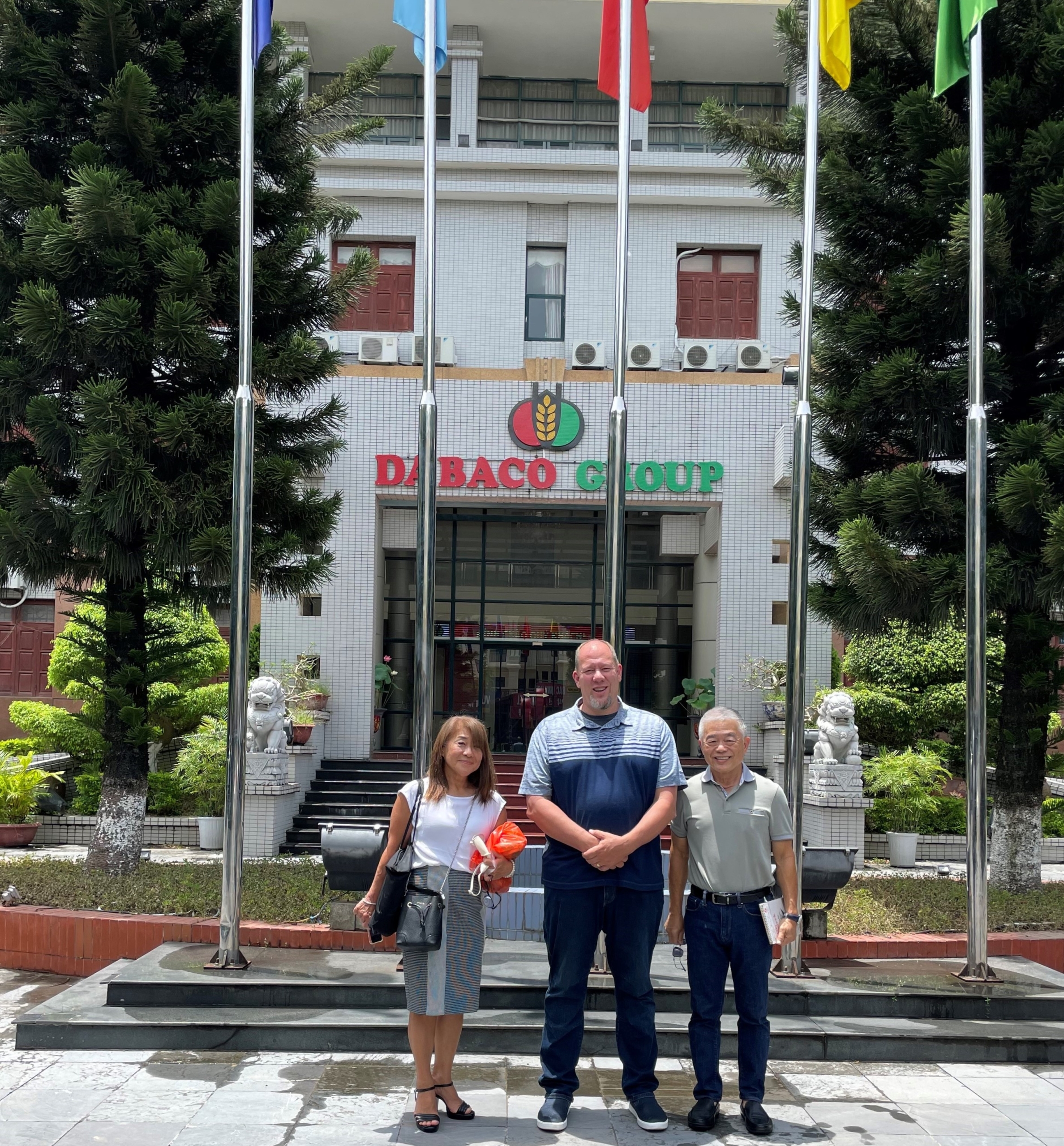 Following their visit with Vinasoy, a Vietnamese soymilk and soy drink producer, Huynh believes the prospect of Vinasoy importing U.S. Identity Preserved soybeans to be high. Vinasoy staff recently returned from the Food Grade Soybean Procurement Course at Northern Crops Institute in Fargo, N.D. Prather and Huynh also met with Dabaco, a feed and food production company and have more visits planned.
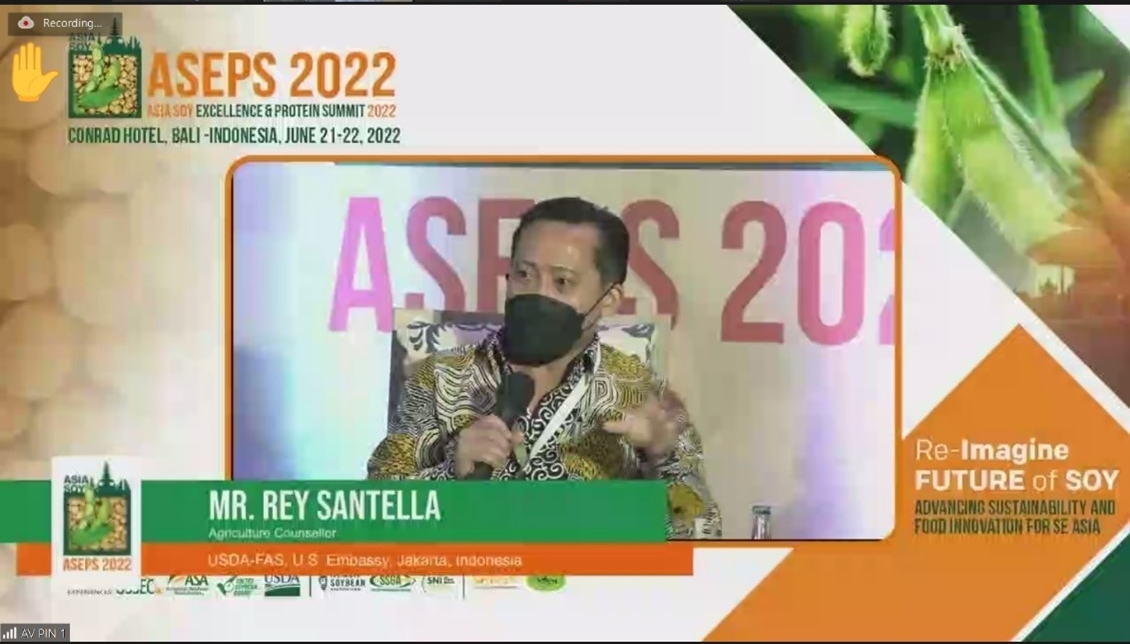 SSGA had the opportunity to weigh in on that concern during the conference, hosted by the U.S. Soybean Export Council (USSEC) June 21-22 in Bali. Presenting virtually, SSGA Executive Director Eric Wenberg and Chair Rob Prather briefed about 150 attendees on current identity preserved (IP) crop production issues, logistics and container shipping during the hybrid event. Steve Peach, a Michigan farmer and member of the Michigan Soybean Committee, and Troy Berndt, a grower relations specialist in Wisconsin, updated attendees on the 2022 growing season in their respective states/regions.
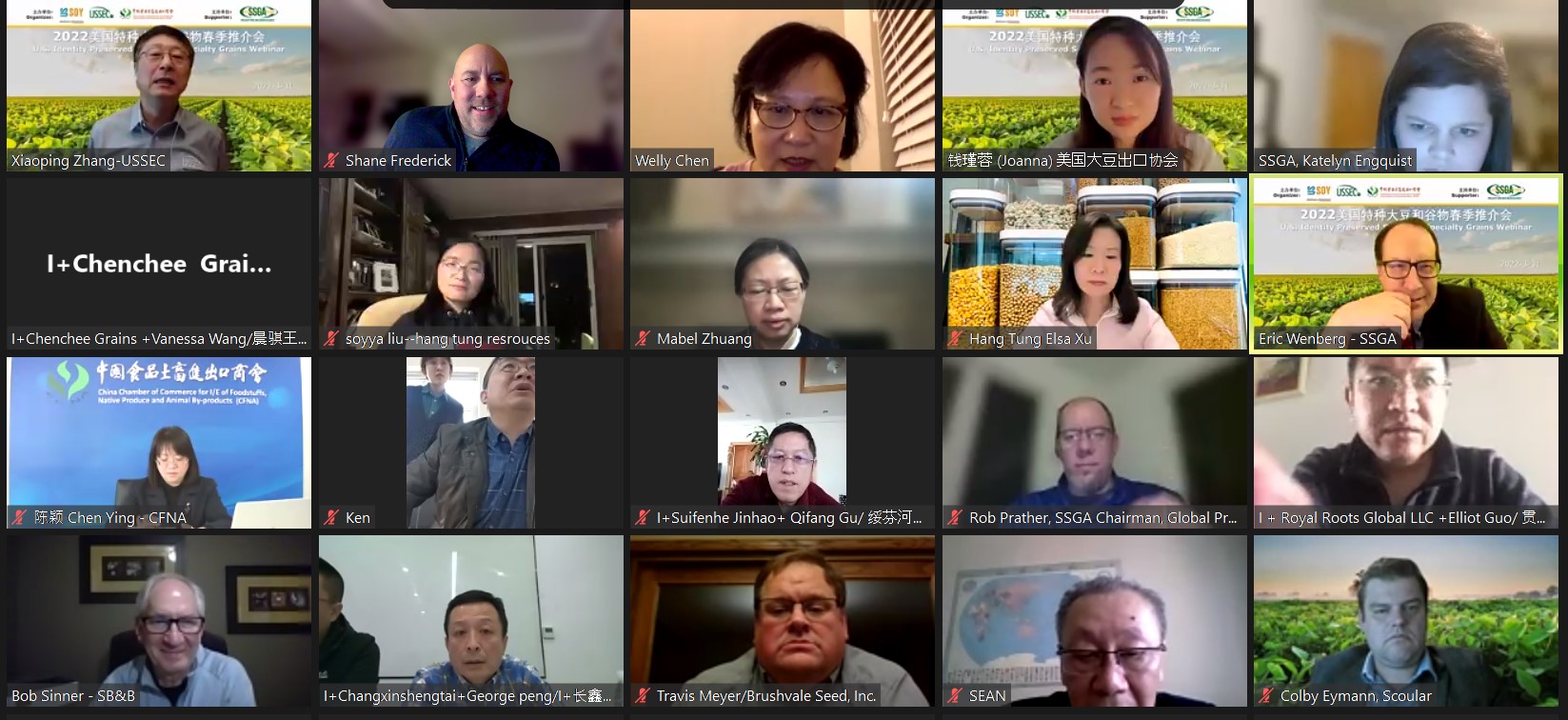 The event was held in coordination between SSGA, the U.S. Soybean Export Council (USSEC) and the China Chamber of Commerce of Import and Export of Foodstuffs, Native Produce and Animal By-Products (CFNA).
 The petitioners in the case were the Organic Soybean Processors of America (OSPA) and the following processors: American Natural Processors LLC (S.D.), Organic Production Services LLC (N.C.), Professional Proteins Ltd. (Iowa), Sheppard Grain Enterprises LLC (N.Y.), Simmons Grain Co. (Ohio), Super Soy LLC (Wis.) and Tri-State Crush (Ind.).

